electrical equipment lockouts quotation: ensuring safety and compliance in electrical maintenance
Release time:2025-11-11 03:10:00
When it comes to maintaining electrical equipment, safety should always be the top priority. Electrical accidents, particularly during maintenance or repair work, can have catastrophic consequences. As a result, companies must implement robust safety protocols to ensure that workers are not exposed to unnecessary risks. One of the most effective ways to safeguard against these risks is through the use of Electrical Equipment Lockouts, a procedure that involves physically locking out electrical devices to prevent accidental activation during maintenance. This article delves into the importance of Electrical Equipment Lockouts and how a comprehensive quotation for these services can enhance safety and ensure compliance with regulatory standards.
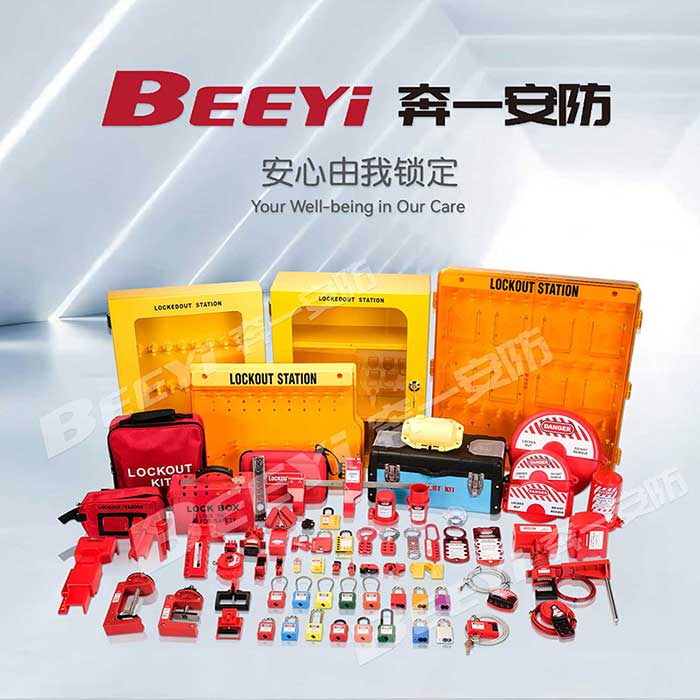
What is an Electrical Equipment Lockout?
An Electrical Equipment Lockout (often abbreviated as LOTO, which stands for Lockout/Tagout) is a critical safety procedure used to isolate electrical equipment from its power source to ensure that it cannot be accidentally turned on during maintenance or repair work. This procedure involves the use of locks, tags, and other isolation devices to physically prevent equipment from being re-energized until the work is completed and the lockout is removed.
The core idea behind lockout procedures is simple but essential: it is necessary to isolate power sources from the equipment that is being worked on to prevent electrical shock, burns, or worse. Lockouts are commonly used in industries ranging from manufacturing and utilities to commercial establishments where electrical systems are complex and high-powered.