understanding pneumatic lockouts: essential safety measures in industrial environments
Release time:2025-11-29 13:37:58
In industrial environments, safety is paramount, especially when dealing with heavy machinery and equipment that can pose significant risks if improperly maintained or operated. One such safety measure that plays a crucial role in ensuring the protection of workers is the Pneumatic Lockout. Pneumatic Lockouts are essential devices used to prevent the accidental release of compressed air or the unintended activation of pneumatic systems during maintenance and repair work. These safety mechanisms are designed to isolate energy sources and control hazardous conditions, significantly reducing the chances of injury in workplaces that rely heavily on pneumatic machinery.
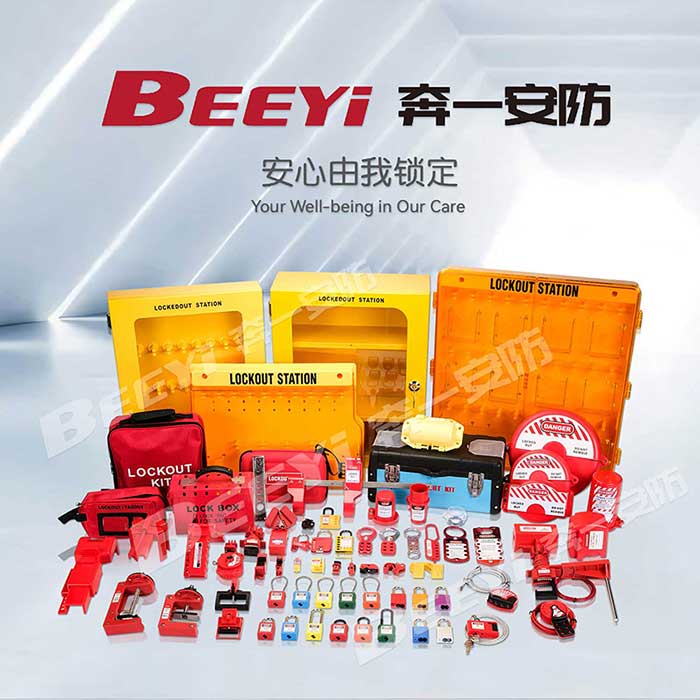
What is a Pneumatic Lockout?
A Pneumatic Lockout is a device used to secure pneumatic energy sources, such as air compressors, pneumatic valves, or air-powered tools. These lockout devices are designed to prevent air from flowing through a system by physically blocking or isolating key components, such as valves or regulators. The purpose of this isolation is to ensure that maintenance workers or operators are not exposed to the risk of sudden air pressure release or machinery movement while they are conducting repairs or servicing the equipment.
Typically, a pneumatic lockout device is placed on valves, control switches, or air supply lines and can be locked in place with a safety lock. These locks ensure that the energy source remains isolated until the worker is ready to proceed, and they require a key to unlock, preventing unauthorized operation.