importance of industrial safety padlocks in ensuring workplace safety
Release time:2025-11-30 07:22:48
In industrial environments, safety is of paramount importance. Whether it’s a manufacturing plant, chemical processing facility, or electrical station, workers must be protected from hazardous machines and equipment. One of the most effective and often overlooked tools in ensuring workplace safety is the Industrial Safety Padlock. This simple yet essential device plays a crucial role in the lockout/tagout (LOTO) procedures, safeguarding workers from accidents and fatalities caused by unintended machine operation during maintenance or repair work.
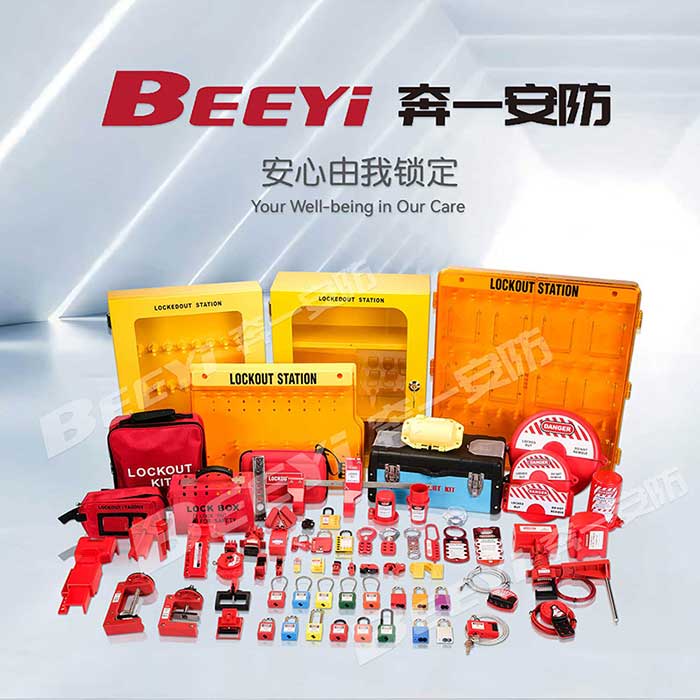
What is an Industrial Safety Padlock?
An Industrial Safety Padlock is a heavy-duty locking device used to secure machinery and equipment during maintenance or service operations. It’s designed to prevent unauthorized access or accidental activation of machinery that could lead to serious injuries or fatalities. The padlock is part of a broader safety system known as Lockout/Tagout (LOTO), a standard practice mandated by occupational safety regulations across various industries worldwide.
How Industrial Safety Padlocks Work
The purpose of an industrial safety padlock is simple yet critical: it ensures that energy sources to dangerous equipment are fully isolated before maintenance or repair activities begin. When a technician or operator is working on a machine, they attach a padlock to the device’s energy-isolation mechanism (e.g., a circuit breaker, valve, or power switch). This action physically prevents the machine from being turned on, keeping the worker safe from potential harm.