the importance of tagout in industrial safety and equipment maintenance
Release time:2025-12-02 10:58:00
In any industrial setting, worker safety is the top priority. One of the key safety procedures used to prevent workplace injuries during equipment maintenance is the Tagout procedure. This procedure, often used in conjunction with Lockout (LOTO), helps ensure that machines or equipment are safely de-energized and cannot be accidentally activated during maintenance. Though the Tagout procedure involves less physical security than Lockout, it still plays a critical role in protecting workers from harm.
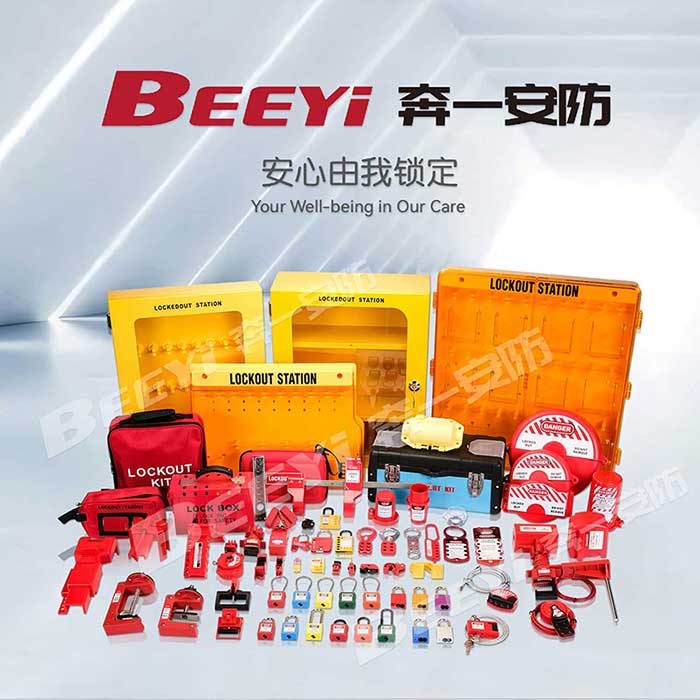
What is Tagout?
Tagout is a safety procedure used to prevent the accidental release of hazardous energy during the servicing or maintenance of machinery and equipment. The Tagout system involves placing a visible warning tag on the equipment to indicate that it is not to be operated until maintenance is complete. Unlike Lockout, which requires a physical lock to prevent the equipment from being energized, Tagout relies on the presence of a tag to alert others that the equipment is being worked on and should not be used.
The Difference Between Lockout and Tagout
Both Lockout and Tagout are parts of the energy control program designed to protect workers from hazardous energy sources, such as electrical, mechanical, hydraulic, or thermal energies. However, while Lockout uses a physical device (usually a lock) to secure the energy-isolating mechanism of the equipment, Tagout uses a tag to inform others that the equipment is under maintenance.