understanding lockout safety padlocks: a critical component of workplace safety
Release time:2025-12-03 18:56:15
In any workplace, particularly those with heavy machinery, electrical systems, or hazardous processes, ensuring worker safety is of paramount importance. One key element in maintaining safety is the use of lockout safety padlocks, which are designed to prevent the accidental activation of equipment or machinery during maintenance or servicing. These safety devices are not just tools but essential components of a broader safety strategy aimed at protecting workers from injuries and fatalities. In this article, we will explore the purpose, importance, types, and best practices for using lockout safety padlocks in industrial settings.
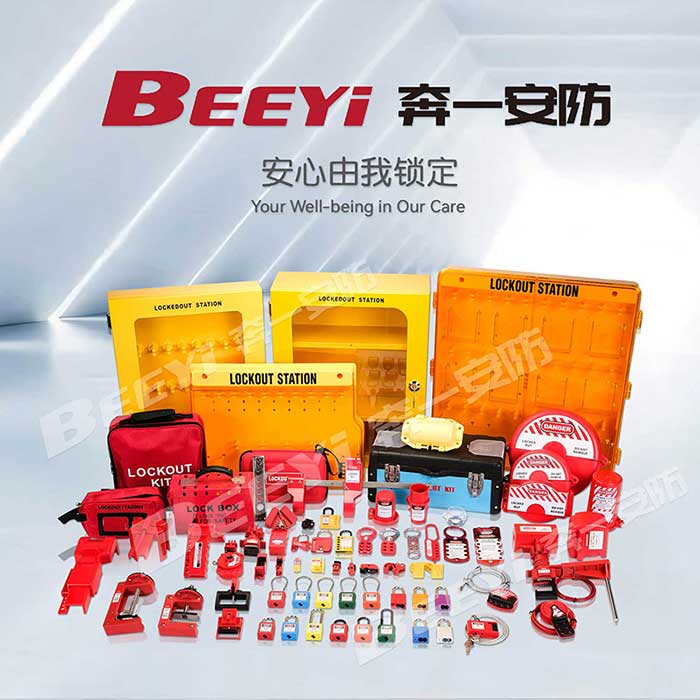
What are Lockout Safety Padlocks?
Lockout safety padlocks are specialized locks that are used to secure energy-isolating devices such as electrical switches, valves, or machines to prevent the release of hazardous energy during maintenance or repair. Their primary purpose is to ensure that equipment cannot be accidentally turned on while it is being worked on, thereby safeguarding workers from electrical shocks, chemical spills, moving parts, or other dangerous situations.
These padlocks are an integral part of the Lockout/Tagout (LOTO) program, which is a standard safety procedure required by agencies like OSHA (Occupational Safety and Health Administration) in the United States. The LOTO program mandates that all energy sources be locked and tagged out before any maintenance work begins. This procedure not only helps protect workers but also ensures compliance with safety regulations in high-risk environments.