the importance of lock out tags in industrial safety
Release time:2025-12-04 01:08:16
Lock out tags are a crucial element in industrial safety protocols, particularly in environments where workers must handle machinery and equipment that pose serious risks. These tags are part of a broader safety system known as "lockout/tagout," a procedure designed to protect employees from accidental injury caused by the unexpected release of hazardous energy during maintenance or servicing of equipment. By effectively utilizing lockout tags, businesses ensure that maintenance work is carried out safely, and that workers are protected from potential hazards.
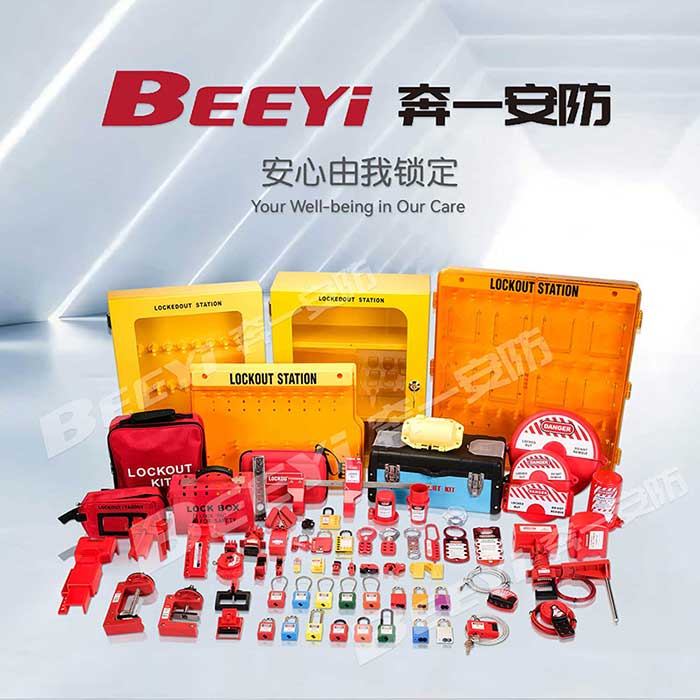
Understanding Lock Out Tags
Lock out tags are simple, yet highly effective tools used to alert workers that a specific piece of equipment is undergoing maintenance or repair and should not be operated. The lockout portion involves physically locking the energy source to the equipment, while the tagout aspect entails affixing a warning tag to inform others of the hazard. These tags serve as a visible reminder that the equipment is out of service and should not be activated under any circumstances.
The lockout/tagout procedure is typically required by occupational safety standards, such as the Occupational Safety and Health Administration (OSHA) regulations in the United States. The procedure is designed to prevent accidental energy release, which can result in severe injuries or fatalities, especially when workers are servicing machinery or electrical equipment.