understanding the importance of valve lockout device for industrial safety
Release time:2025-12-05 06:16:46
In industrial environments, where hazardous energy sources and complex systems are common, safety protocols play a critical role in protecting workers from potential accidents. One such essential safety tool is the valve lockout device, designed to ensure that valves and systems remain in a locked-out state during maintenance, preventing accidental or unauthorized operation. This device is crucial in high-risk areas such as chemical plants, oil refineries, and power stations, where the mishandling of equipment could lead to catastrophic consequences.
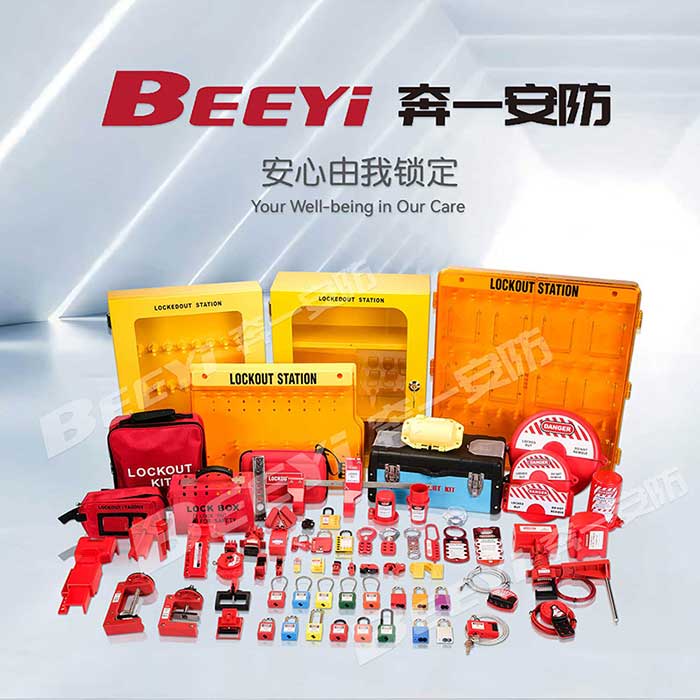
What is a Valve Lockout Device?
A valve lockout device is a mechanical safety device used to lock valves in a closed or open position, preventing any inadvertent operation of the valve while maintenance or repair work is being carried out. Its primary purpose is to isolate energy sources and ensure that machinery and pipelines cannot be inadvertently activated during maintenance or repair work. The device is designed to be applied to various valve types, including ball valves, gate valves, and butterfly valves, among others.
How Does a Valve Lockout Device Work?
The operation of a valve lockout device is relatively simple yet highly effective. The device typically works by securing the valve’s operating mechanism, such as a valve handle or knob, with a lock or lockout tag. Once applied, the lockout device physically prevents the valve from being turned, thus ensuring that the valve cannot be operated until the device is removed by an authorized individual.