lockout hasps factory: ensuring workplace safety with precision and reliability
Release time:2025-12-05 08:42:14
In today's industrial environment, workplace safety is paramount, and ensuring that equipment is properly locked out during maintenance or repair is a critical part of protecting workers from harm. Lockout hasps are indispensable tools that help achieve this safety standard. A lockout hasp is designed to secure equipment in a locked-out position, preventing unauthorized or accidental operation while maintenance or repairs are underway. This article will explore the significance of lockout hasps in industrial safety, the role of lockout hasps factories, and how these manufacturers contribute to improving workplace safety globally.
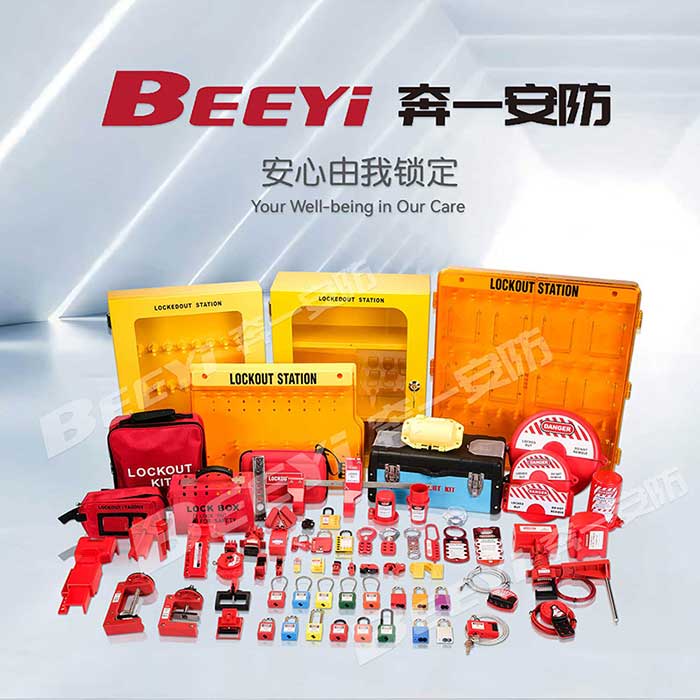
The Importance of Lockout Hasps in Industrial Safety
Lockout hasps are part of a broader safety system known as Lockout/Tagout (LOTO), which is a safety protocol widely adopted in manufacturing and industrial sectors to prevent the accidental release of hazardous energy during servicing or maintenance. The device is used to secure a lock on a machine's energy-isolating device, effectively controlling the energy flow that could otherwise power up machinery unintentionally.
A lockout hasp typically includes a metal or plastic hasp with multiple lock holes, allowing several workers to lock the same piece of equipment simultaneously. This ensures that each worker has control over the machine's energy isolation, significantly reducing the risk of accidents caused by unexpected machine operation. Whether it's in factories, chemical plants, or construction sites, lockout hasps are crucial tools that enable safe and coordinated maintenance practices.