the growing demand for private label lockout hasps factory: ensuring workplace safety and compliance
Release time:2025-12-06 18:26:42
Lockout/tagout (LOTO) procedures are a critical part of workplace safety, especially in industrial environments where machinery and equipment pose significant risks during maintenance or repair activities. One of the essential components of these safety procedures is the lockout hasp, a simple yet effective tool designed to prevent unauthorized operation of machinery. Over the years, the demand for Private Label Lockout Hasps has grown steadily as businesses look for cost-effective, reliable, and customizable solutions to meet their safety needs. This article delves into the significance of private label lockout hasps factories, the benefits they offer, and how businesses can leverage these products to enhance safety and compliance.
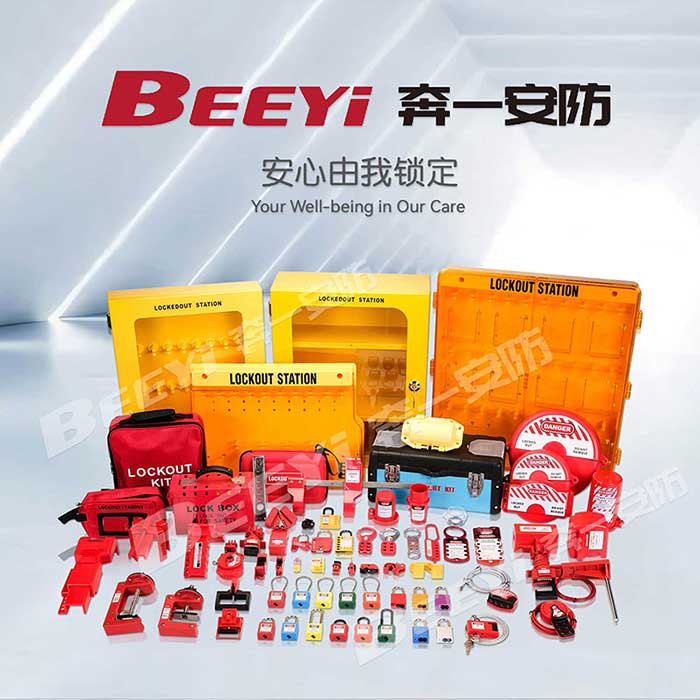
The Role of Lockout Hasps in Workplace Safety
Lockout hasps are devices used in the lockout/tagout procedure to secure machinery and prevent it from being operated while maintenance or repair work is being conducted. These devices are typically used in conjunction with padlocks, which are placed through the hasp’s holes to lock the equipment in an “off” position. The primary goal of a lockout hasp is to prevent accidental or unauthorized activation of equipment, which could lead to severe injuries or even fatalities.
A lockout hasp allows multiple workers to apply their padlocks to a single piece of equipment, ensuring that all individuals involved in the maintenance work are protected and that the equipment cannot be turned on until all parties have removed their locks. This collaborative aspect of lockout hasps is critical in workplaces with multiple personnel performing maintenance or service tasks on the same equipment.