

Lockout equipment plays a crucial role in ensuring the safety of workers in environments that involve machinery, electrical systems, or hazardous energy sources. Whether it’s a factory, chemical plant, or construction site, the use of lockout devices is an integral part of protecting employees from potential accidents and injuries. This article explores the significance of lockout equipment, the different types available, and why it is essential for workplace safety.
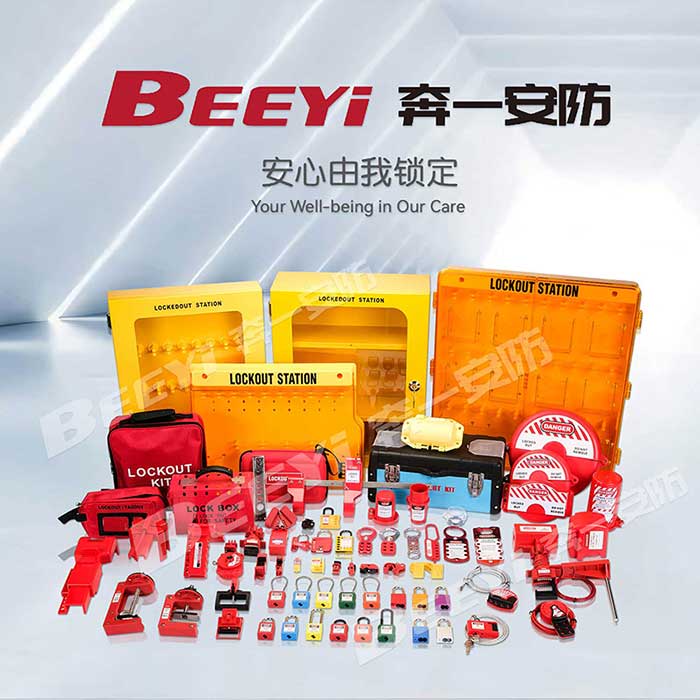
Types of Lock Out Equipment
Lockout Padlocks and Hasps: The most common form of lockout equipment, lockout padlocks are used to secure switches, valves, and other energy-isolating devices. These locks are often made of durable materials like nylon or aluminum to withstand harsh industrial environments. Lockout hasps are used when more than one worker needs to lock out a device, allowing multiple locks to be attached to a single energy-isolating mechanism.