lockout hasps: a vital safety tool for industrial maintenance
Release time:2025-12-07 12:37:21
In the industrial and manufacturing sectors, safety is paramount. Employees working on machinery, electrical systems, or other dangerous equipment need protection from potential accidents, especially during maintenance or repair work. One of the most essential safety tools used in these environments is the lockout hasp. This simple yet effective device ensures that workers are protected from the accidental startup of machinery, preventing serious injuries and accidents. In this article, we will explore the importance, functionality, and best practices of lockout hasps in maintaining workplace safety.
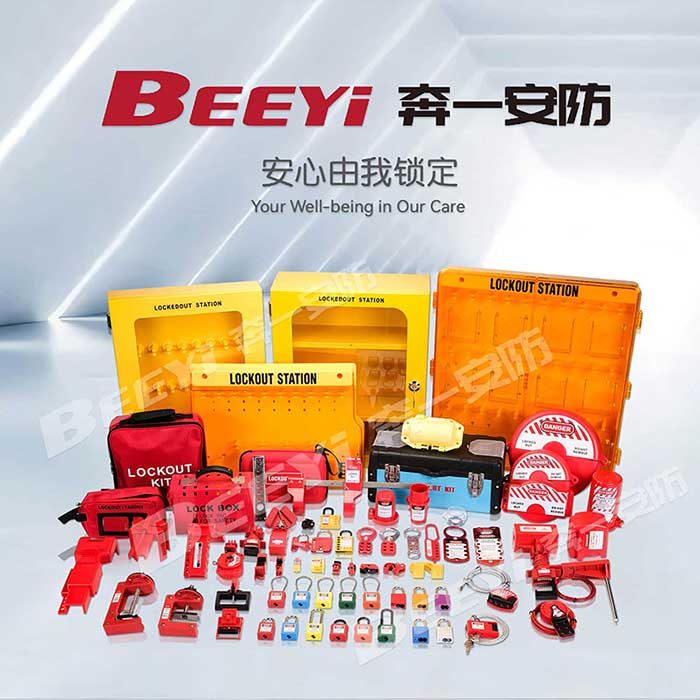
What is a Lockout Hasps?
A lockout hasp is a safety device used in industrial environments to lock out machinery and equipment while maintenance or repair work is being conducted. It typically consists of a steel or aluminum plate with several locking holes, allowing multiple locks to be attached at the same time. This ensures that each worker involved in the repair or maintenance of the equipment can secure the device with their individual lock, preventing the equipment from being turned on accidentally by someone else.
The Purpose of Lockout Hasps
The primary function of a lockout hasp is to prevent unauthorized or accidental operation of equipment during maintenance. Often, workers are required to shut down machinery, isolate energy sources (such as electricity, gas, or hydraulic pressure), and ensure no power is supplied to the equipment before starting work. By using a lockout hasp, the maintenance process is not only made safer but also more organized and methodical.