the importance of lockout hasps in industrial safety management
Release time:2025-12-08 03:10:56
Lockout Hasps play a crucial role in ensuring the safety of workers in industrial environments. As safety protocols become increasingly important in workplaces where hazardous machinery and electrical systems are involved, the proper use of lockout/tagout (LOTO) devices is critical to prevent accidents and injuries. One of the most common and effective tools used in LOTO procedures is the Lockout Hasp. This simple yet highly functional device helps control hazardous energy during maintenance, repairs, and inspections. This article will explore the significance, features, applications, and best practices for Lockout Hasps, emphasizing their importance in industrial safety.
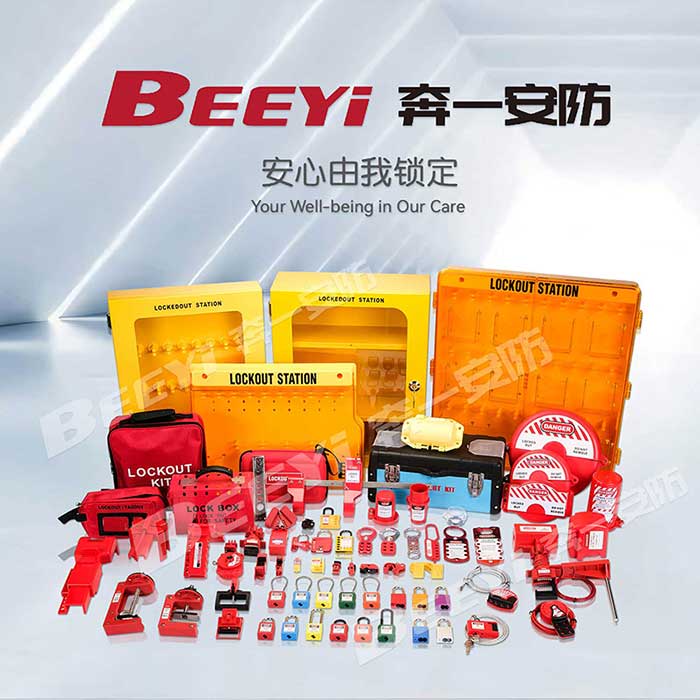
What is a Lockout Hasp?
A Lockout Hasp is a mechanical safety device used in industrial settings to secure energy sources and prevent accidental equipment startups during maintenance activities. It consists of a metal plate or ring with multiple holes for attaching padlocks. The device is designed to allow multiple workers to lock out a single energy source, ensuring that no one can operate the equipment while maintenance or servicing is underway.
The primary function of a Lockout Hasp is to act as a physical barrier between the worker and the equipment, preventing accidental activation. It provides a clear visual signal that equipment is being worked on and that it is unsafe for operation. This visual cue helps protect not only the workers performing the task but also others in the vicinity who may inadvertently attempt to restart the machine.