loto safety: a critical approach to workplace safety and injury prevention
Release time:2025-12-08 10:10:25
Lockout/Tagout (LOTO) safety is a crucial safety procedure designed to prevent workplace injuries and fatalities during equipment maintenance or servicing. In industries where heavy machinery, electrical systems, or pressurized systems are in operation, workers face significant risks from unintentional equipment startup or the release of stored energy. The LOTO safety protocol provides an effective method for controlling hazardous energy and safeguarding workers during repair, maintenance, or servicing activities. This article explores the significance of LOTO safety, its implementation, and the benefits it brings to the workplace.
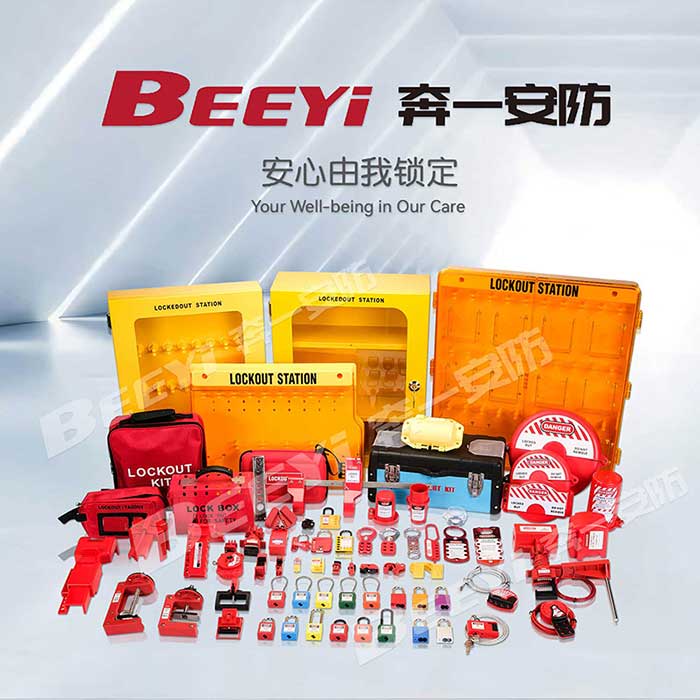
Understanding LOTO Safety
The term "Lockout/Tagout" refers to the use of specific procedures for the isolation of hazardous energy sources in machines and equipment. LOTO procedures include both physical locking mechanisms and warning tags to prevent machinery from being accidentally turned on or from releasing energy that could harm workers. These safety measures are essential during maintenance tasks, where workers may need to interact with or repair machinery that, if accidentally energized, could cause severe injury or death.
Lockout involves physically locking the energy-isolating device (such as electrical switches, valve handles, or circuit breakers) to prevent it from being activated while maintenance or servicing is being performed. A lock, typically accompanied by a unique key, is used to ensure that only the worker performing the task can remove it, thereby preventing any unauthorized person from starting the machine.