lockout hasps technical support: ensuring safety and compliance in industrial environments
Release time:2025-12-08 11:01:06
In industrial settings, safety is of paramount importance, and Lockout/Tagout (LOTO) procedures play a critical role in ensuring that workers are protected from unexpected machine startups during maintenance or repair activities. One of the key components of a LOTO system is the Lockout Hasps, which are used to lock out machines and devices, preventing unauthorized operation. This article delves into the significance of Lockout Hasps technical support, exploring the various aspects of their selection, use, maintenance, and troubleshooting, all of which contribute to a safer working environment.
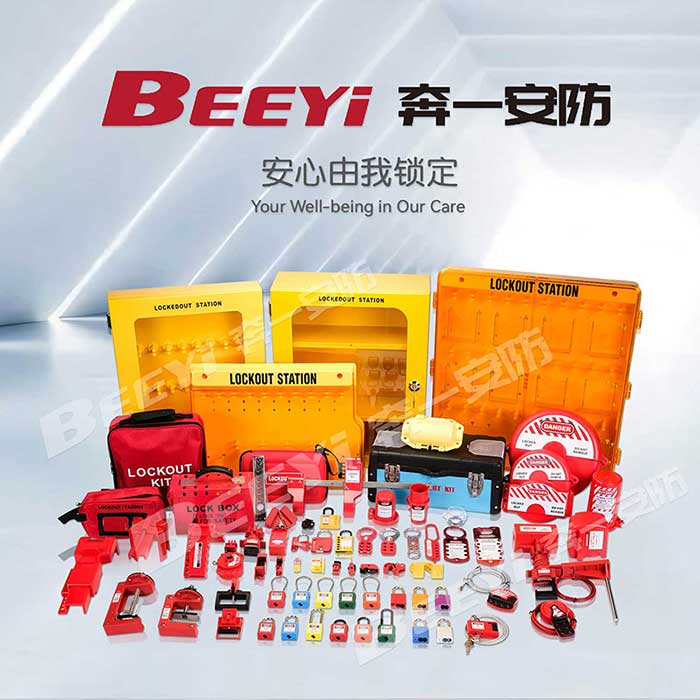
Understanding Lockout Hasps
Lockout Hasps are mechanical devices designed to secure energy-isolating devices, such as valves, circuit breakers, or machines, with the intent of preventing accidental startup during maintenance. A typical Lockout Hasp consists of a locking mechanism that can hold multiple padlocks simultaneously, allowing different workers to apply their locks to the same equipment. This ensures that each worker has control over the operation of the machine, providing them with the assurance that no one else can start it while maintenance is in progress.
Lockout Hasps are a crucial part of a comprehensive LOTO program, which is mandated by safety regulations in many industries, including manufacturing, energy, and utilities. OSHA (Occupational Safety and Health Administration) and ANSI (American National Standards Institute) set specific guidelines for the use of LOTO devices, including Lockout Hasps, to reduce workplace injuries caused by the accidental release of hazardous energy.