the importance of lockout hasps in industrial safety
Release time:2025-12-09 00:41:22
In any industrial or commercial environment, safety is paramount. Workers in factories, power plants, chemical plants, and other high-risk areas are exposed to various hazards, especially when performing maintenance or repair work on equipment. To mitigate these risks, safety protocols, such as lockout/tagout (LOTO) procedures, are critical. One essential tool in the LOTO system is the Lockout Hasps, a simple yet powerful device designed to prevent accidental machine startups during maintenance. This article explores the role, importance, and applications of lockout hasps in ensuring workplace safety.
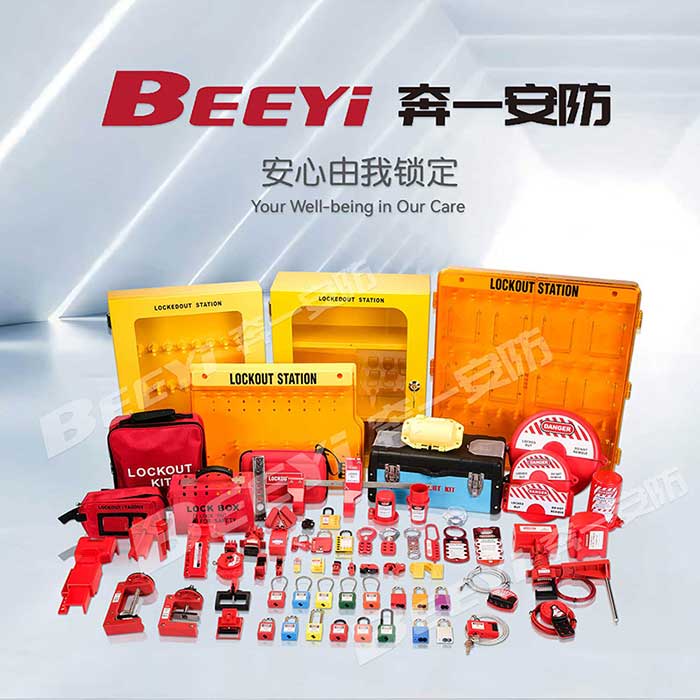
What is a Lockout Hasp?
A Lockout Hasp is a mechanical device that allows multiple locks to be applied to a single energy-isolating mechanism (like a switch or valve) on machinery or equipment during maintenance or repair work. It is an essential part of the lockout/tagout procedure, which is used to ensure that machinery is completely de-energized and cannot be turned on while it is being serviced. The lockout hasp works by locking out energy sources like electricity, gas, or compressed air, preventing them from being accidentally or inadvertently turned on.
Key Features and Design
Lockout hasps are designed to be durable and easy to use. They are typically made from high-quality, corrosion-resistant materials such as steel or heavy-duty plastic, ensuring they can withstand harsh industrial environments. The hasp consists of a locking mechanism that holds a latch in place, with multiple holes for attaching individual locks. Each worker involved in the maintenance process can place their own lock on the hasp, effectively ensuring that no one person can unlock or override the system without the others' knowledge.