understanding lock tags: key to securing data and resources
Release time:2025-12-09 14:36:54
Lock tags are an essential concept in a variety of fields, especially in the realms of software development, data management, and security. They serve as markers, ensuring that specific resources, whether data, files, or system versions, remain protected from unauthorized changes or access. This article delves into the definition, applications, and importance of lock tags in modern technology, highlighting their role in maintaining the integrity and stability of systems.
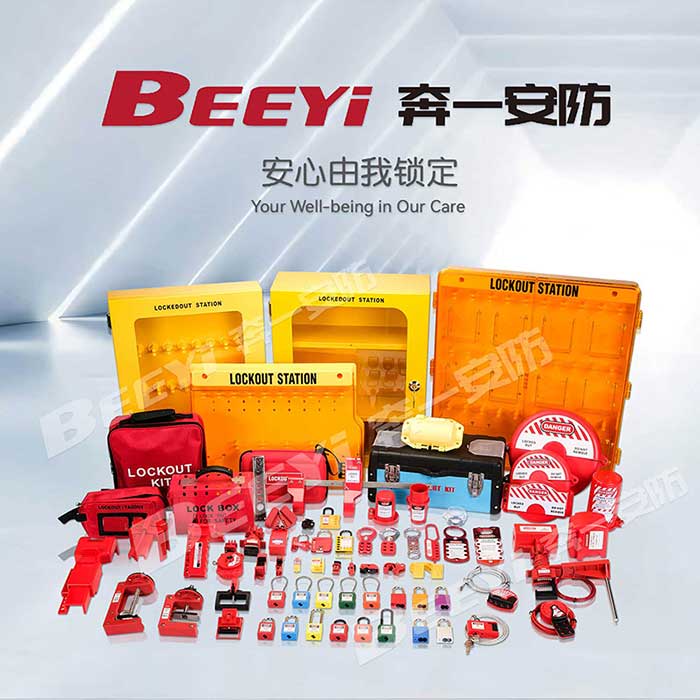
What are Lock Tags?
A "lock tag" is essentially a label or marker used to prevent further changes or alterations to a particular resource. In simpler terms, when something is locked, it cannot be modified, deleted, or accessed without explicit permission. This mechanism ensures that critical resources are safeguarded against accidental or malicious changes, providing a level of security and stability in various environments.
Lock tags are used in multiple domains, each with a specific function that suits the needs of the system. In software development, for example, lock tags are frequently used in version control systems to mark a stable version of the code, signaling that it is ready for release or deployment. In databases, lock tags are employed to prevent conflicts between concurrent users or processes, ensuring that data remains consistent. Moreover, in physical security, lock tags might refer to smart tags or sensors that control access to sensitive resources.