the importance of lockout safety in preventing workplace accidents
Release time:2025-12-11 01:32:55
Lockout safety, often referred to as Lockout/Tagout (LOTO), is a critical procedure used across industries to protect workers from accidents and injuries that may occur during the maintenance, repair, or servicing of machinery and equipment. The goal of lockout safety is to prevent accidental release of hazardous energy during these processes. Hazardous energy, such as electrical, mechanical, hydraulic, or thermal energy, can be dangerous and lead to severe injuries or fatalities if proper precautions are not taken.
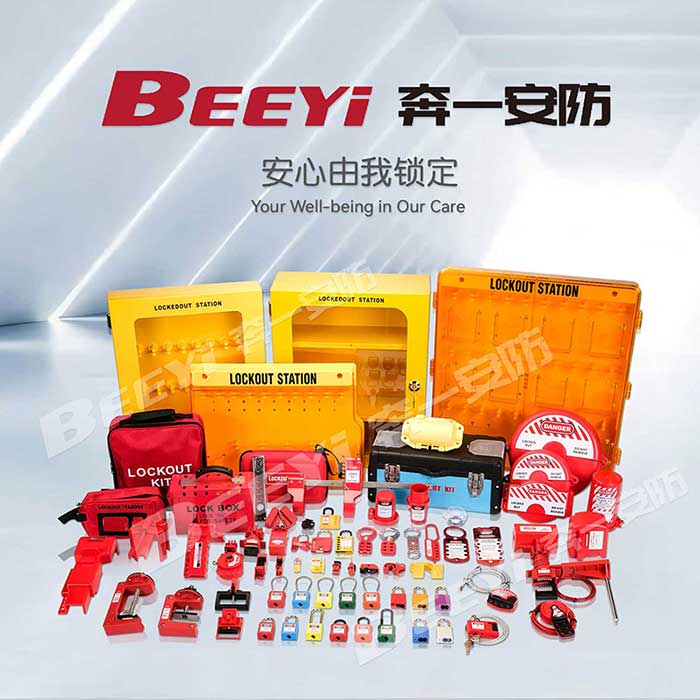
What Is Lockout Safety?
Lockout safety is a system designed to control hazardous energy sources when workers are performing tasks like servicing or repairing machinery. The system involves physically isolating the machinery from its energy sources and securing it with a lock and tag. The lock ensures that no one can inadvertently restart the machine while maintenance is taking place. The tag communicates that the equipment should not be operated until the maintenance is completed and it is safe to do so.
The lockout/tagout procedure is a crucial safety standard in many industries, including manufacturing, construction, energy, and chemical processing. In fact, regulatory agencies like the Occupational Safety and Health Administration (OSHA) in the United States mandate lockout/tagout practices in the workplace.