pneumatic lockouts application: ensuring safety and efficiency in pneumatic systems
Release time:2025-12-11 08:37:57
In industrial environments where compressed air systems are in operation, safety is a paramount concern. Pneumatic systems power a variety of machines and tools, but without proper precautions, they can also pose significant risks. One of the key safety mechanisms employed to mitigate these dangers is the use of pneumatic lockouts. These devices are essential in preventing accidental or unauthorized activation of pneumatic systems during maintenance or repair work. The application of pneumatic lockouts ensures that workers are protected from hazardous events such as accidental machinery starts, air leaks, or unplanned releases of pressurized air.
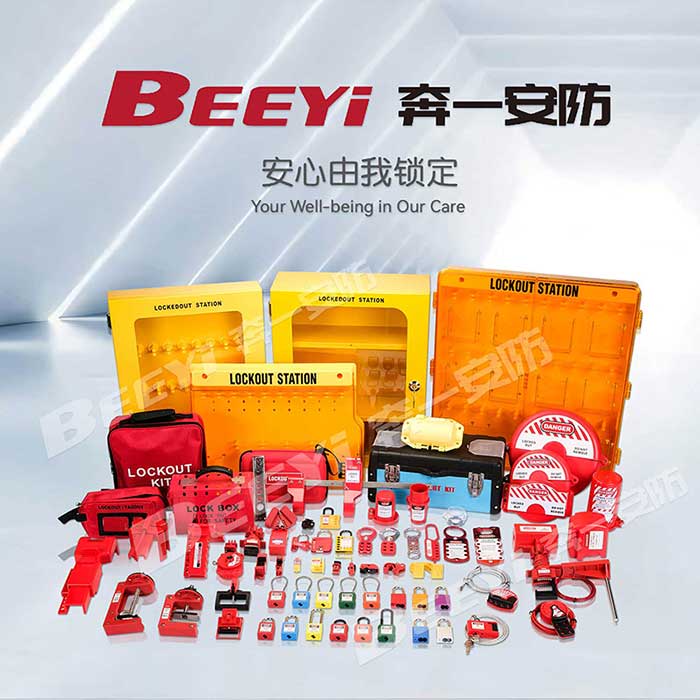
What Are Pneumatic Lockouts?
Pneumatic lockouts are safety devices designed to prevent the release of compressed air or the unintended activation of pneumatic equipment. They typically consist of a lockable valve, which isolates the pneumatic system from its air supply. The lockout device is placed on the system’s air supply line, and once in position, it can be locked in place using a padlock. This prevents the system from receiving any pressurized air, thus ensuring that it remains inoperative during maintenance or servicing tasks.
These devices are especially important when working with large, powerful pneumatic machines, as sudden activation can lead to injury or damage to both the machine and personnel. By incorporating pneumatic lockouts into the safety protocols of pneumatic systems, businesses ensure a higher standard of safety compliance and reduce the likelihood of workplace accidents.