understanding lock out equipment: ensuring workplace safety
Release time:2025-12-11 10:53:13
Lockout equipment is a critical safety mechanism used in industrial settings to prevent accidents and injuries during equipment maintenance or servicing. The primary function of lockout equipment is to ensure that the energy sources powering machinery or equipment are properly isolated and cannot be accidentally turned on while maintenance personnel are working. This process is known as Lockout/Tagout (LOTO), and it is essential for maintaining a safe working environment, especially in industries such as manufacturing, energy, and construction, where workers are exposed to potentially hazardous machinery.
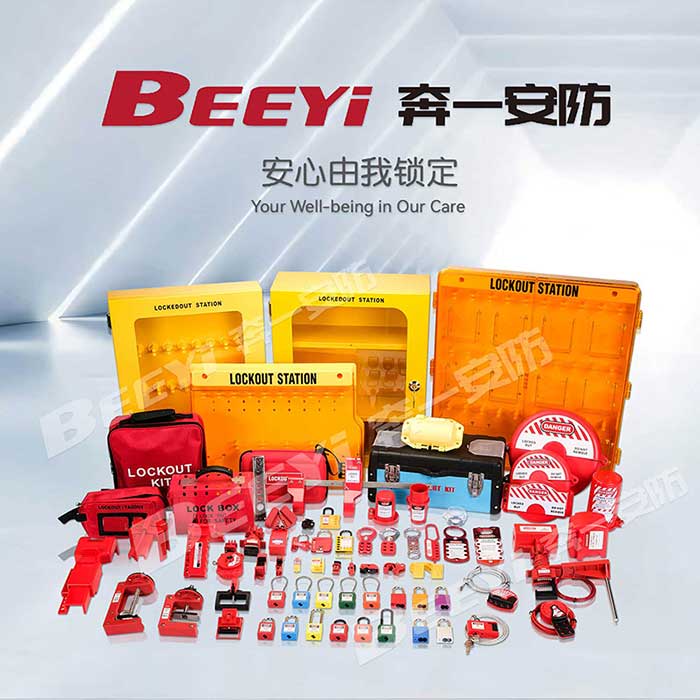
What is Lockout Equipment?
Lockout equipment refers to various tools and devices designed to lock, isolate, or tag energy sources in a machine or system. These tools ensure that the energy sources—whether electrical, mechanical, hydraulic, or pneumatic—remain isolated and inoperative during maintenance work. The purpose of lockout equipment is to prevent the unintended release of hazardous energy that could cause injury or death to workers.
The primary components of lockout equipment include:
Lockout Devices: These are physical locks or mechanisms used to secure energy-isolating devices, such as circuit breakers, valves, or switches. A worker can attach a lock to the device to prevent it from being turned on or off during maintenance.