understanding industrial safety padlocks: ensuring workplace safety through lockout/tagout systems
Release time:2025-12-12 06:30:22
Industrial environments, especially in sectors such as manufacturing, energy, and construction, involve complex machinery and equipment that can pose significant safety risks. Employees working with these machines need to be protected from the possibility of accidental start-ups during maintenance or repair activities. One essential safety measure that helps safeguard workers from such dangers is the use of industrial safety padlocks. These locks, commonly part of a Lockout/Tagout (LOTO) system, provide a critical layer of protection by ensuring that machinery and equipment remain inoperable during maintenance. In this article, we will explore the importance, features, and proper use of industrial safety padlocks in the workplace.
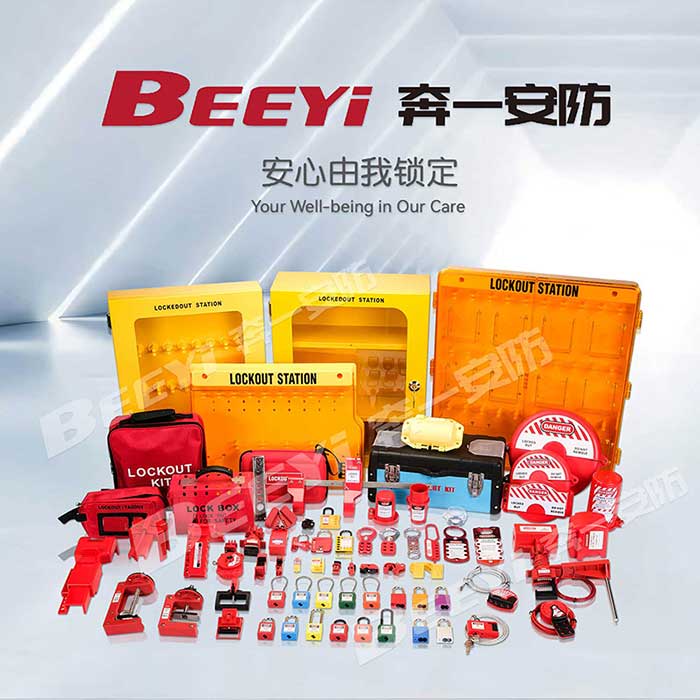
What Are Industrial Safety Padlocks?
Industrial safety padlocks are specialized locking devices designed to secure machinery and equipment during maintenance, repair, or cleaning. These locks are an integral part of the lockout/tagout (LOTO) procedure, which is a set of safety measures that prevents the unintended activation of machinery or electrical equipment. The primary purpose of these padlocks is to protect workers from injuries caused by accidental machine startups while they are performing maintenance work.
The Importance of Industrial Safety Padlocks
The primary function of industrial safety padlocks is to prevent the unexpected energization of equipment, which can lead to severe accidents and injuries. This is especially critical in industries where workers come into contact with heavy machinery, high-voltage systems, or hazardous processes. For instance, in a factory setting, a worker might need to perform repairs on a conveyor belt or electrical panel. Without proper lockout measures, the machine could accidentally turn on, potentially leading to crushing, electrocution, or other injuries.