understanding the importance of electrical equipment lockouts in workplace safety
Release time:2025-12-25 19:00:58
Electrical equipment lockouts (EEL) are a critical safety protocol in various industrial and construction settings, ensuring that electrical systems and equipment are safely shut down and secured during maintenance, repairs, or inspections. This procedure is designed to protect workers from the dangers of electrical shock, burns, and even fatal accidents caused by accidental equipment startup. As the global focus on workplace safety increases, understanding and implementing proper lockout/tagout (LOTO) procedures is essential for all industries dealing with high-voltage equipment.
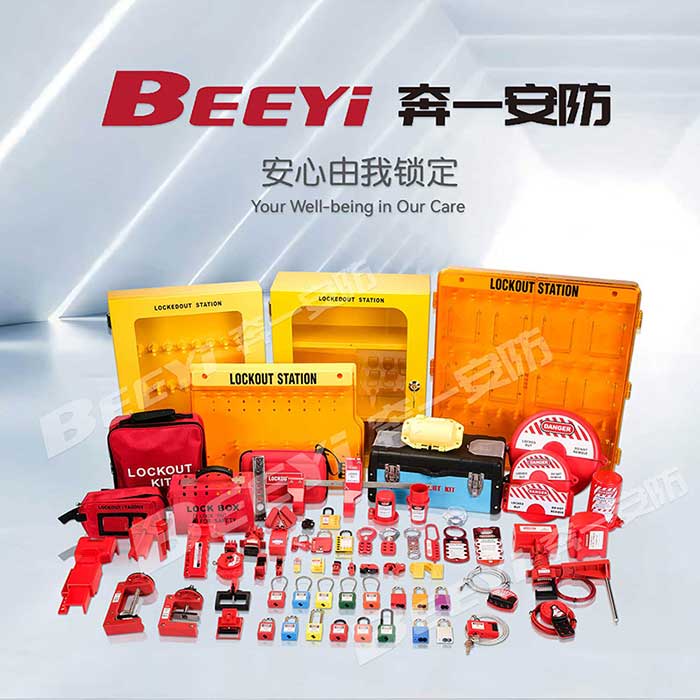
What is Electrical Equipment Lockout?
Electrical equipment lockout is a safety procedure used to prevent the unexpected release of electrical energy during maintenance or servicing of electrical systems. Lockout involves isolating energy sources—such as power circuits or electrical panels—by physically securing their controls with locks, ensuring that only authorized personnel can unlock and restore the system to operational status. This is done using specialized locks and tags, which are critical in preventing accidental activation of the equipment during maintenance.
The main objective of lockout is to ensure that electrical systems remain in a safe state while work is being performed. This prevents electrical accidents that could result in injuries or even fatalities, such as electrocution or arc flash incidents. The lockout process is typically paired with a tagout system, which provides clear signage and warnings about the work being performed and the equipment’s status.