understanding pneumatic lockouts: essential safety devices in industrial settings
Release time:2025-12-26 12:06:01
Pneumatic lockouts are vital safety devices designed to protect workers from the risks associated with pneumatic systems in industrial environments. These systems, which rely on compressed air or gases to operate machinery, can be hazardous if not properly managed, especially when maintenance or repair work is being performed. Pneumatic lockouts ensure that pneumatic equipment cannot be unintentionally activated, thereby preventing accidents and ensuring a safer work environment. This article explores the importance of pneumatic lockouts, how they function, and the key considerations when implementing them in the workplace.
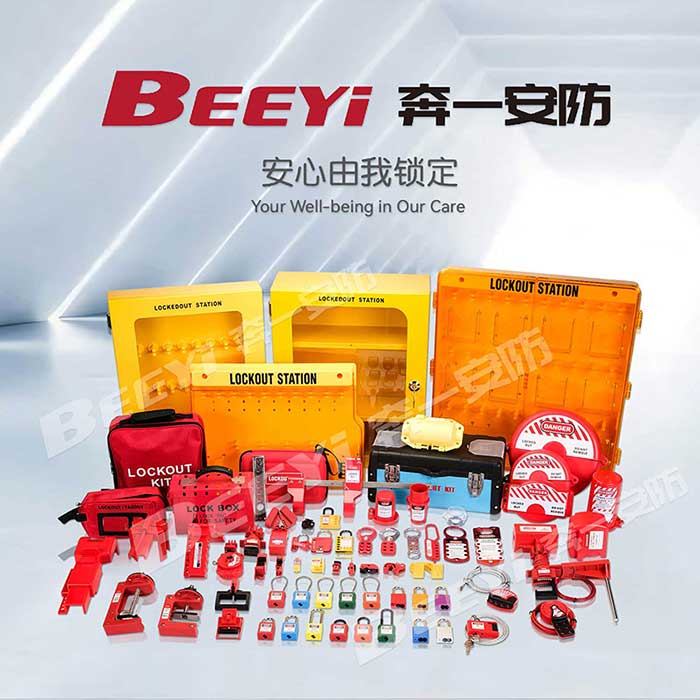
The Importance of Pneumatic Lockouts
In industrial settings, the use of compressed air is prevalent across a wide range of applications, from powering tools to operating automated machinery. However, pneumatic systems pose inherent risks. If workers are exposed to moving machinery or high-pressure air unintentionally, severe injuries or even fatalities can occur. Pneumatic lockouts play a crucial role in preventing these accidents by ensuring that air or gas cannot flow through the system during maintenance or repair tasks.
The Occupational Safety and Health Administration (OSHA) in the United States, along with similar regulatory bodies worldwide, emphasizes the need for safety measures like lockout/tagout (LOTO) procedures. These procedures are designed to prevent the release of hazardous energy during service or maintenance activities, which includes not only electrical systems but also pneumatic and hydraulic systems. Pneumatic lockouts are an essential component of this safety strategy.