understanding industrial electrical equipment lockouts: a comprehensive guide
Release time:2025-12-27 07:48:46
In industrial settings, the safety of workers is paramount, especially when dealing with electrical equipment. One of the most critical safety protocols implemented is the Lockout/Tagout (LOTO) procedure, specifically regarding Industrial Electrical Equipment Lockouts. This safety practice is designed to prevent accidental equipment startup or release of hazardous energy during maintenance or servicing. Understanding the importance, procedures, and regulations associated with Industrial Electrical Equipment Lockouts can significantly enhance workplace safety and reduce the risk of workplace accidents.
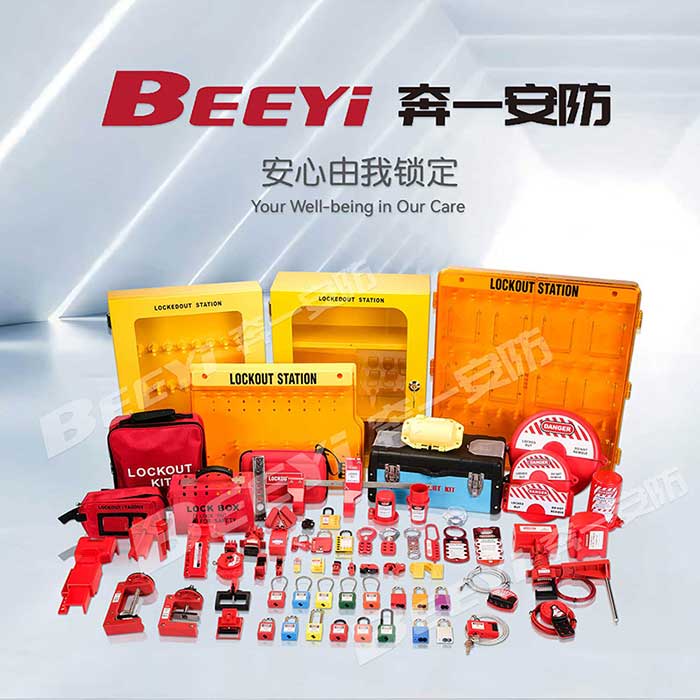
What are Industrial Electrical Equipment Lockouts?
Industrial Electrical Equipment Lockouts refer to a set of control measures established to ensure that electrical machinery and equipment are de-energized and remain inoperable during maintenance or repair work. The primary goal of the lockout/tagout process is to protect workers from being injured by unexpected energization or startup of equipment. This procedure involves using locks and tags to secure energy-isolating devices, preventing them from being engaged.
Key Components of the Lockout/Tagout Procedure
Preparation: Before any lockout is initiated, workers must be informed about the procedures and the need for safety measures. This awareness involves notifying all personnel who may be affected by the equipment’s shutdown.