the importance of valve lockout devices in industrial safety
Release time:2025-12-27 15:30:36
In industrial settings, the management of hazardous energy and the prevention of accidental equipment activation are critical components of workplace safety. Among various safety practices, the use of valve lockout devices stands out as a pivotal measure that helps ensure that equipment is safely isolated during maintenance or repair. This article delves into the significance of valve lockout devices, their functionality, and the broader implications for occupational safety and health.
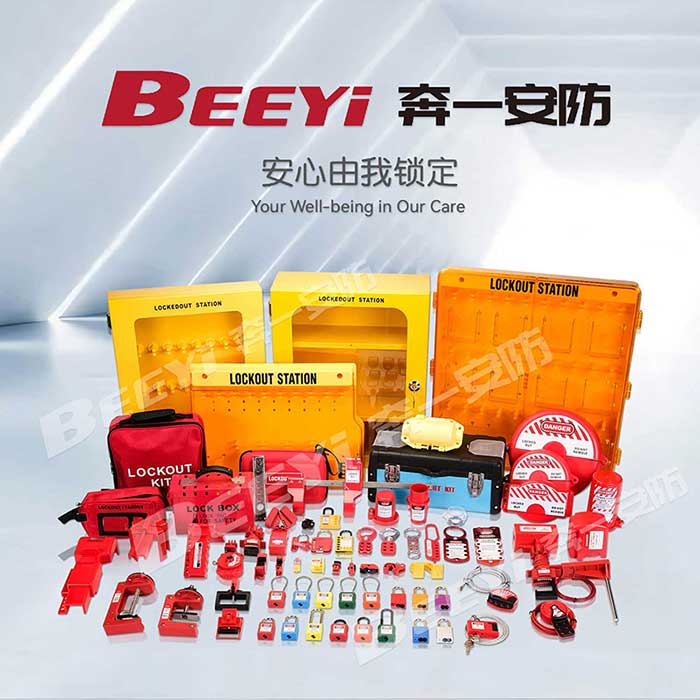
Valve lockout devices are specialized tools designed to secure valves in a closed position, thus preventing any unintended operation. They come in various shapes and sizes, tailored to fit different types of valves, including gate valves, ball valves, and butterfly valves. The use of these devices is often mandated by regulatory organizations such as the Occupational Safety and Health Administration (OSHA) in the United States, which emphasizes the importance of lockout/tagout (LOTO) procedures in safeguarding employees.
One of the foremost reasons for using valve lockout devices is to mitigate the risk of workplace accidents. Industrial environments can be rife with hazards, especially when dealing with toxic substances, high-pressure systems, or electrical equipment. Workers performing maintenance or repairs could be severely injured or killed by the unexpected release of stored energy, whether it's steam, gas, or liquids. By using a valve lockout device, organizations can ensure that workers are not exposed to these dangers. The locking mechanism functions to physically secure the valve in a safe position, preventing any accidental manipulation that could lead to leaks, explosions, or other catastrophic events.