understanding loto lock: a crucial safety system for industrial environments
Release time:2025-12-27 19:14:56
In industrial environments, safety is paramount. One of the most effective methods to ensure the safety of workers during equipment maintenance is the Lockout/Tagout (LOTO) system. LOTO is a safety protocol designed to prevent the accidental release of hazardous energy while workers are servicing or maintaining machinery. At the heart of this safety system is the LOTO lock, a key tool that plays a crucial role in ensuring that machinery remains in a safe state during maintenance. This article explores the significance of LOTO locks, how they work, and why they are essential in safeguarding workers.
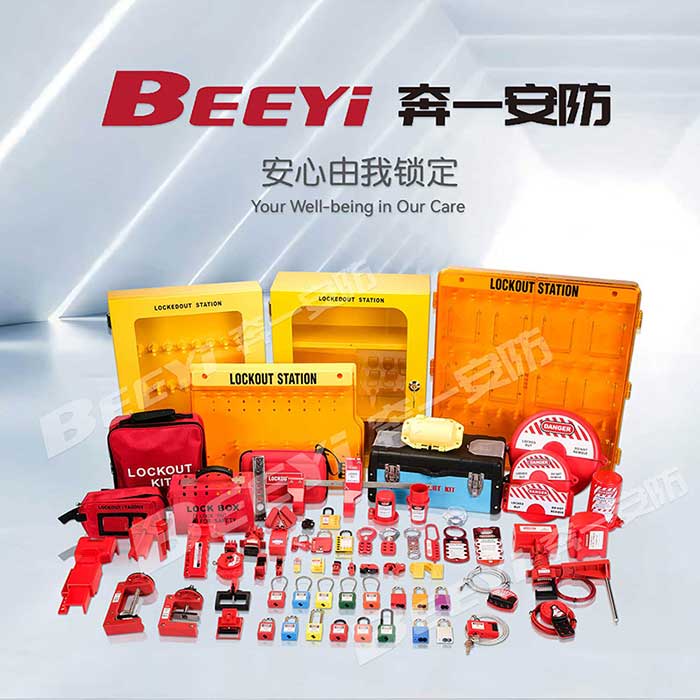
What is a LOTO Lock?
LOTO locks are physical locks used in industrial settings to ensure that a machine or piece of equipment remains in an “off” state while maintenance or servicing is being performed. These locks are part of the broader Lockout/Tagout procedure, which involves isolating a machine from all sources of hazardous energy (such as electrical, mechanical, hydraulic, and pneumatic energy) to prevent accidental activation. When a worker performs maintenance, they lock the equipment using a LOTO lock, ensuring that no one can accidentally power it up.
The LOTO lock system typically includes a lock with a unique key, and it is often accompanied by tags that provide vital information, such as the worker's name, the time of maintenance, and a warning not to operate the equipment. This system helps to prevent accidents and injuries that could occur if machinery were accidentally turned on while a worker is still in contact with it.