understanding pneumatic lockouts: essential safety mechanisms in industrial settings
Release time:2025-12-28 00:39:43
Pneumatic systems are integral to numerous industrial applications, powering everything from manufacturing equipment to automated systems. However, the inherent risks associated with the operation and maintenance of pneumatic machinery cannot be overlooked. Pneumatic Lockouts are crucial safety devices that ensure the safety of workers by preventing the accidental release of compressed air or gas while machines are being serviced or maintained. This article will explore the importance, functionality, and applications of Pneumatic Lockouts in industrial environments.
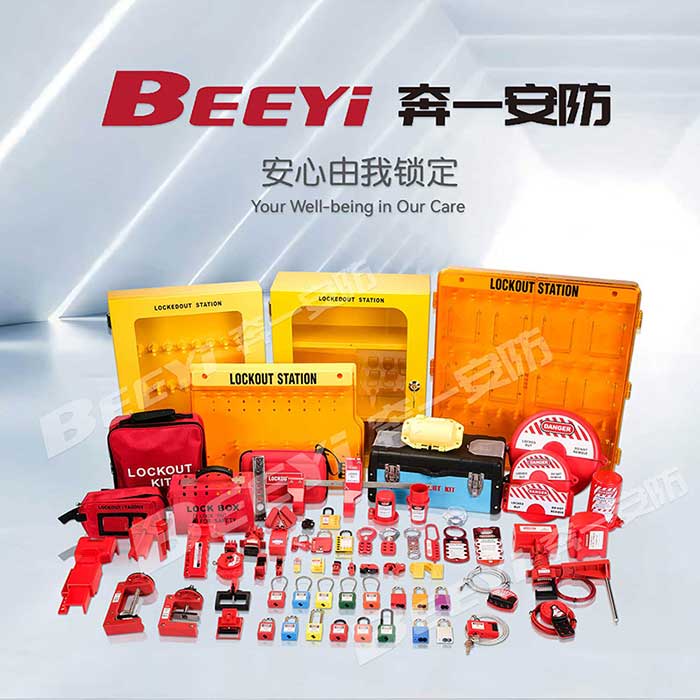
What are Pneumatic Lockouts?
Pneumatic Lockouts are mechanical devices designed to isolate and lock out pneumatic systems, such as air compressors, pneumatic valves, and air-powered tools, during maintenance or servicing. Their primary function is to prevent the accidental release of pressurized air or gases, which could result in injury or damage to equipment. Lockouts are typically used as part of the broader Lockout/Tagout (LOTO) safety program, which is aimed at preventing accidental energy releases during repair or maintenance work.
Importance of Pneumatic Lockouts
In industrial environments, equipment failure, or improper handling of pneumatic systems can lead to severe accidents, including injuries or even fatalities. Pneumatic systems often operate under high pressure, and even a small mistake or oversight can result in accidents that could have been easily prevented with proper safety mechanisms in place. Pneumatic Lockouts are designed to provide a reliable solution for workers by ensuring that machines are safely isolated from their energy sources before any maintenance begins.