lock out tag out: ensuring worker safety through proper hazardous energy control
Release time:2025-12-29 15:08:00
Lockout/Tagout (LOTO) is a critical safety procedure implemented in various industrial and manufacturing environments to protect workers from the accidental release of hazardous energy during the servicing or maintenance of machinery and equipment. It serves as a set of guidelines and protocols for locking out and tagging out energy sources, ensuring that machines are safely de-energized before maintenance or repair work begins. The proper implementation of Lockout/Tagout is vital in reducing the risk of injuries, fatalities, and workplace accidents caused by unexpected machine start-ups or the release of hazardous energy.
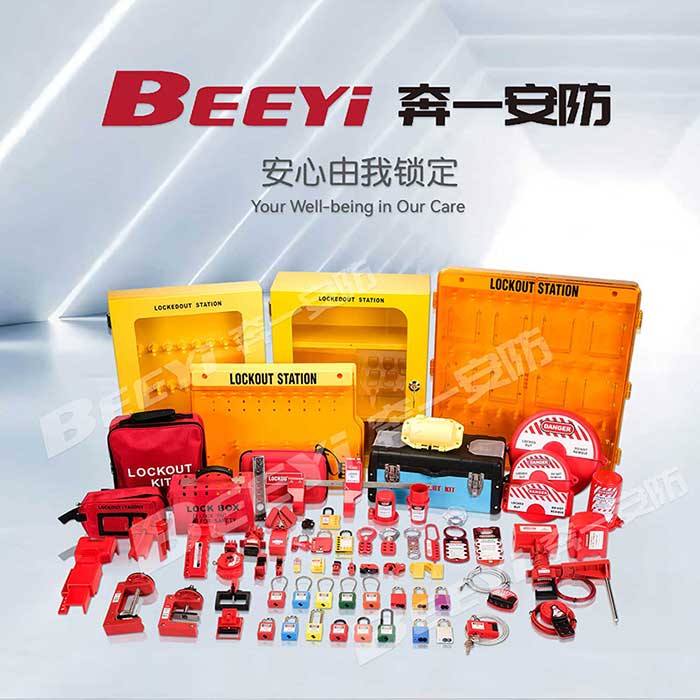
What is Lockout/Tagout?
Lockout refers to the practice of physically locking an energy-isolating device (such as a circuit breaker or valve) to prevent the accidental release of energy, while Tagout involves placing a warning tag on the energy-isolating device to indicate that maintenance is taking place. When both procedures are properly followed, they provide a dual safeguard that ensures machinery cannot be inadvertently energized while workers are performing their tasks.
The concept of Lockout/Tagout is based on the premise that during maintenance, servicing, or repair of equipment, workers may be exposed to hazardous energy sources such as electrical, mechanical, hydraulic, pneumatic, chemical, or thermal energy. In the absence of proper energy isolation, workers can be at risk of serious injuries, such as electrocution, burns, lacerations, and crushing accidents.