understanding lockout hasps: essential tools for workplace safety
Release time:2025-12-29 20:59:18
In today’s industrial landscape, the importance of safety protocols cannot be overstated. Among these protocols, Lockout/Tagout (LOTO) procedures are paramount in protecting workers from unexpected equipment startups during maintenance and repair operations. Central to the LOTO process is the Lockout Hasps—an indispensable safety tool that enhances the effectiveness of equipment lockout. This article will delve into the definition, functionalities, applications, and advantages of Lockout Hasps in various work environments.
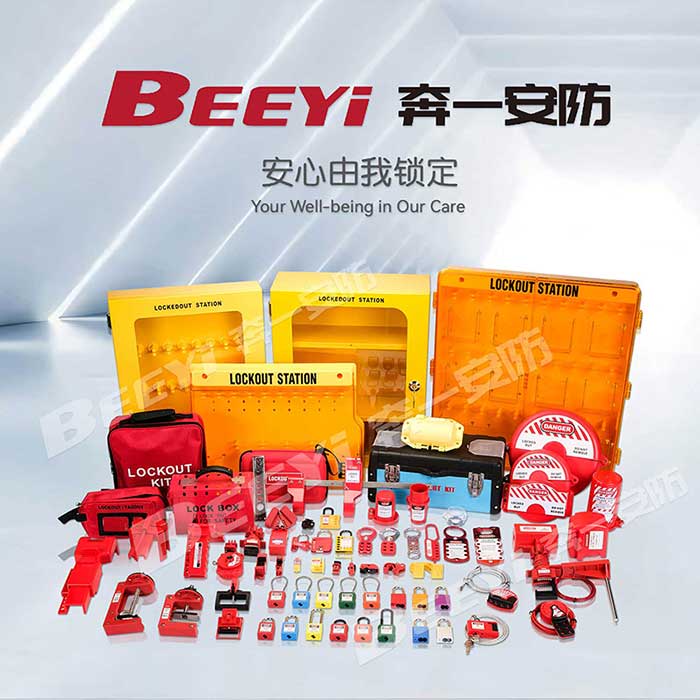
What are Lockout Hasps?
Lockout Hasps are specialized devices designed to secure machines or control circuits in a locked position during maintenance or repair. They prevent unauthorized access and ensure that equipment cannot be energized while being serviced. Made from durable materials such as metal or high-strength plastic, Lockout Hasps are typically comprised of a robust shackle and a gripping mechanism.
Functionality of Lockout Hasps
The primary function of a Lockout Hasp is to allow multiple users to lock out a single piece of equipment simultaneously. This is particularly useful in settings where teams of maintenance personnel must work together on equipment that poses risks. Each worker can attach their individual padlock to the hasp, effectively preventing any unauthorized person from removing it.