lockout tagout equipment: ensuring workplace safety through energy control
Release time:2025-12-30 08:11:49
Lockout tagout equipment is an essential component in modern industrial safety practices, designed to protect workers from the hazards of unexpected machinery startup or the release of hazardous energy. In environments where machinery, electrical systems, or mechanical devices are routinely maintained or repaired, the potential for accidents is significant. Lockout tagout (LOTO) procedures provide a systematic approach to controlling energy sources, ensuring that maintenance personnel can work safely without the risk of injury.
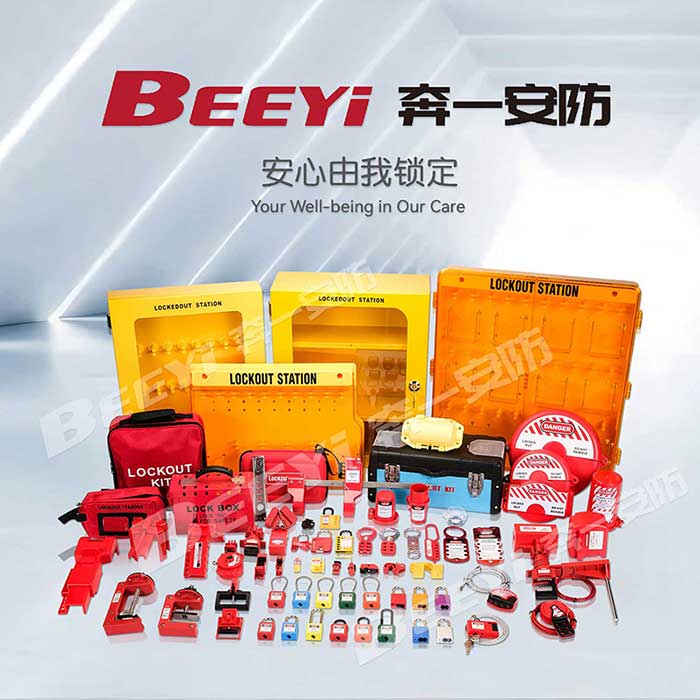
At its core, lockout tagout equipment consists of physical devices that prevent the operation of machinery during maintenance. Lockout devices, such as padlocks or specialized lock attachments, secure energy-isolating mechanisms like circuit breakers, valves, or switches. Tagout devices, on the other hand, serve as visual warnings, indicating that the equipment must not be operated. These tags communicate critical safety information, alerting all personnel that the machinery is currently under maintenance and that unauthorized activation is strictly prohibited.
The application of lockout tagout equipment begins with the identification of all energy sources connected to the equipment. These sources may include electrical, mechanical, hydraulic, pneumatic, or chemical energy. Once identified, the equipment is powered down, and the energy sources are isolated. The lockout devices are then attached to energy-isolating points, and tagout warnings are placed prominently to inform all workers of the status. This dual approach of physical restraint and clear communication minimizes the risk of accidental startup, which could result in severe injuries or fatalities.