the importance of valve lockout device in industrial safety
Release time:2025-12-30 16:59:38
In industrial environments, where hazardous materials or high-energy systems are present, safety is paramount. One crucial safety tool that helps mitigate the risks associated with machinery operation during maintenance or repair activities is the valve lockout device. This device plays a vital role in ensuring that valves, which control the flow of gases, liquids, or other potentially dangerous substances, remain securely closed while workers are performing tasks. This article explores the function, benefits, and best practices for implementing valve lockout devices in industrial settings.
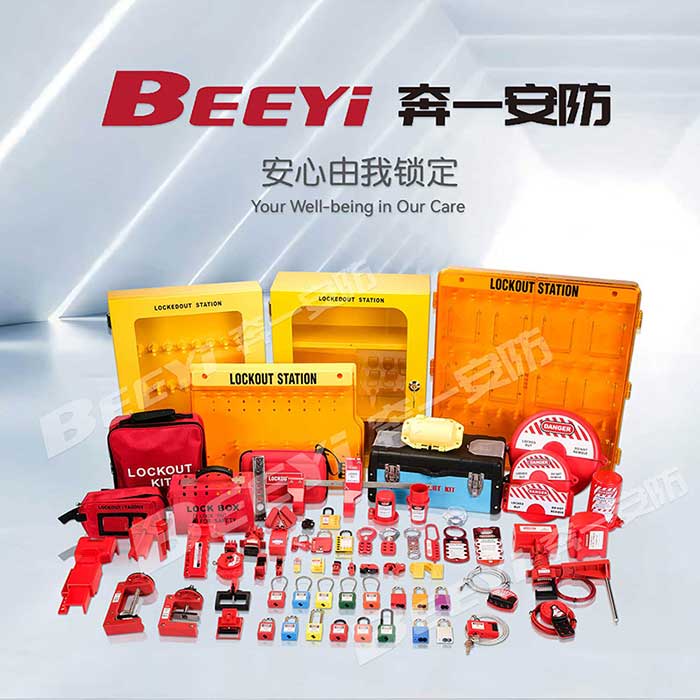
What is a Valve Lockout Device?
A valve lockout device is a safety mechanism designed to prevent accidental or unauthorized operation of valves during maintenance or repair work. When performing tasks like repairs, cleaning, or system checks, workers must ensure that valves are in a secure, non-operating state to prevent the release of hazardous materials. The valve lockout device physically locks the valve in place, ensuring that it cannot be opened or manipulated without the proper key or authorization.
Valve lockout devices come in various forms depending on the type of valve they are designed to secure. Common types include ball valve lockouts, gate valve lockouts, and butterfly valve lockouts, among others. These devices often involve physical locks, such as padlocks or combination locks, that prevent the valve from being operated.