understanding the importance of equipment lockout tags in industrial safety
Release time:2026-01-01 23:29:08
In industrial settings, safety is of paramount importance. Whether it is construction sites, factories, or power plants, workers must be protected from the potential hazards posed by machinery and equipment. One of the most effective ways to ensure safety during maintenance or repair activities is through the use of equipment lockout tags. These simple yet crucial tools play a vital role in preventing accidents, injuries, and fatalities by ensuring that machinery remains inoperable while under maintenance or repair.
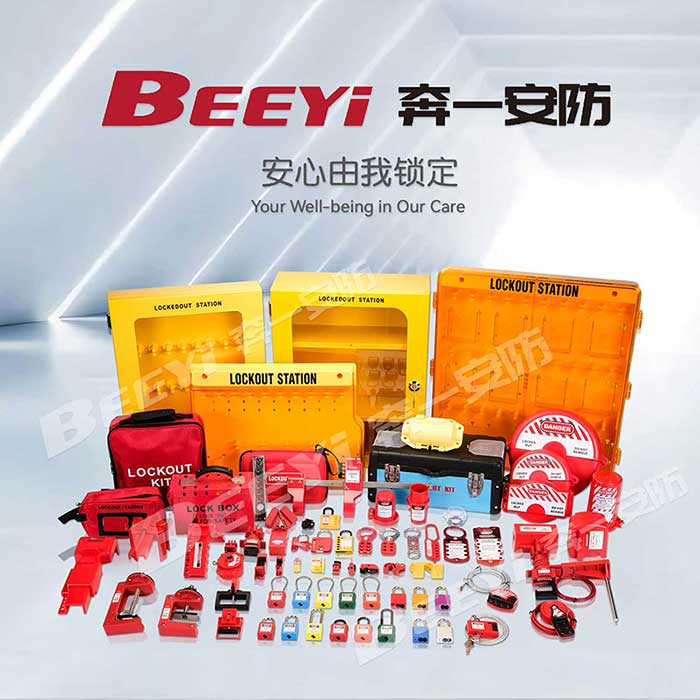
What are Equipment Lockout Tags?
Equipment lockout tags are part of a broader safety protocol known as Lockout/Tagout (LOTO). The Lockout/Tagout program is designed to prevent machinery from being accidentally turned on or energized while workers are conducting repairs or maintenance. The lockout aspect involves physically securing a device—such as a valve, breaker, or switch—so that energy cannot be released unintentionally. The tagout part involves attaching a tag to the equipment that provides a clear warning and identification of the person responsible for the lockout.
These tags are typically made of durable, weather-resistant materials like plastic or laminated paper, and they are clearly marked with warning messages and sometimes an identification field for the name of the person conducting the lockout, the date, and the reason for the procedure. The primary purpose of these tags is to ensure that all workers in the area are aware that the equipment is under maintenance and should not be used.