industrial electrical equipment lockouts: a critical safety measure in industrial environments
Release time:2026-01-02 01:07:19
Industrial electrical equipment lockouts are an essential component of workplace safety in industrial settings. Lockout/tagout (LOTO) procedures are implemented to protect workers from accidental exposure to hazardous energy while they perform maintenance or repairs on electrical systems and machinery. These procedures are designed to prevent the inadvertent energizing of equipment, which could result in serious injuries or fatalities. Understanding the importance of lockout/tagout procedures and their proper implementation is vital for ensuring safety in industries where electrical equipment is used.
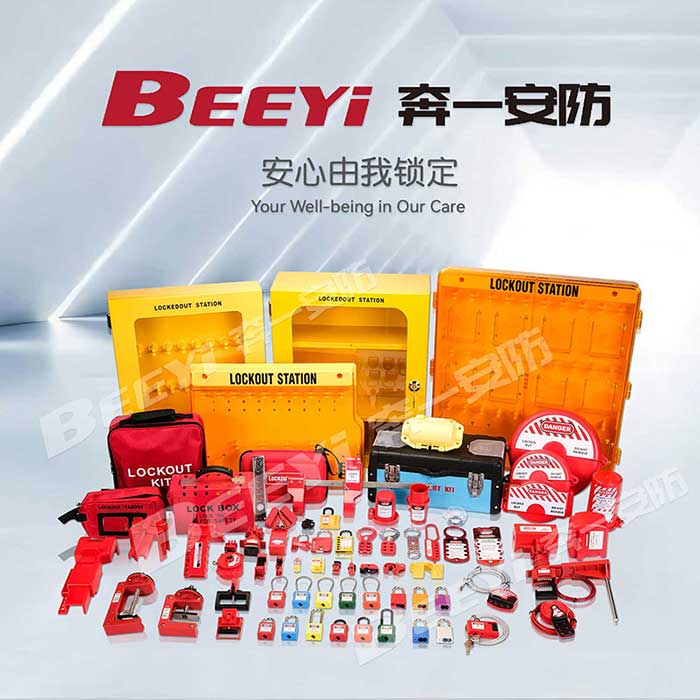
What is Lockout/Tagout (LOTO)?
Lockout/tagout refers to the practice of isolating machines or electrical equipment from all sources of hazardous energy during maintenance or repair. The lockout procedure involves physically locking energy-isolating devices (such as circuit breakers or disconnect switches) to prevent equipment from being accidentally turned on. The tagout procedure involves placing a tag on the device to communicate to others that the equipment should not be operated until the tag is removed.
Types of Hazardous Energy in Industrial Electrical Equipment
Electrical energy is one of the most common forms of hazardous energy in industrial settings. However, hazardous energy can also include mechanical energy (e.g., rotating parts), hydraulic energy (e.g., pressurized systems), pneumatic energy (e.g., compressed air), and chemical energy. Each type of energy poses unique risks to workers, and proper isolation is required to ensure safety during maintenance.