understanding pneumatic lockouts: essential safety devices for industrial environments
Release time:2026-01-02 05:23:04
Pneumatic lockouts are crucial safety devices used in industrial settings where pneumatic systems and equipment are involved. These devices are designed to prevent accidental activation or release of pressure in pneumatic systems during maintenance or repair work. By securing a machine or equipment in a locked-out state, pneumatic lockouts ensure the safety of workers by eliminating the risk of sudden machine operation or the release of hazardous pressure. This article explores the importance of pneumatic lockouts, their applications, and why they are essential to maintaining safety in workplaces with pneumatic systems.
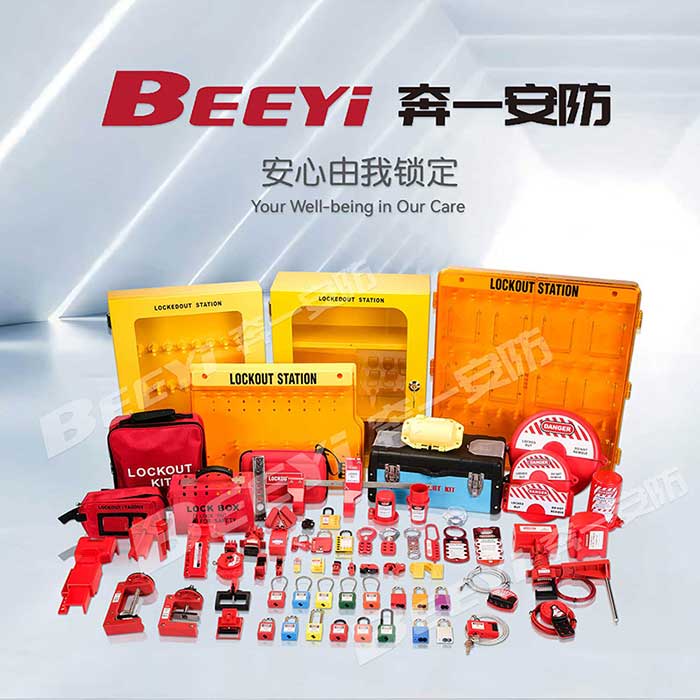
What Are Pneumatic Lockouts?
Pneumatic lockouts are devices used to isolate and lock off the flow of compressed air or other gases in a pneumatic system. They are typically used during maintenance or repair procedures to prevent the accidental release of pressure or the unintentional startup of equipment. Pneumatic lockouts can be applied to valves, switches, or regulators within a pneumatic system, ensuring that no unintended energy flow occurs while workers are performing maintenance tasks.
How Do Pneumatic Lockouts Work?
Pneumatic lockouts operate by blocking the path of compressed air or gas to specific equipment or machinery. The device physically prevents the release of air, and in many cases, it also locks the valve or switch in the "off" position, preventing unauthorized access. These lockouts are often fitted with a mechanism that allows workers to secure them with a padlock, ensuring that only authorized personnel can release the lock once work is completed.