understanding pneumatic lockouts: ensuring safety in pneumatic systems
Release time:2026-01-04 09:05:15
In industrial settings where pneumatic systems are prevalent, ensuring the safety of workers is paramount. One of the most effective methods for safeguarding employees during maintenance or repair operations is the use of pneumatic lockouts. These devices are designed to prevent the inadvertent release of pressurized air or other hazardous conditions, thereby mitigating the risk of accidents and injuries in the workplace. This article delves into the importance, operation, benefits, and best practices regarding pneumatic lockouts.
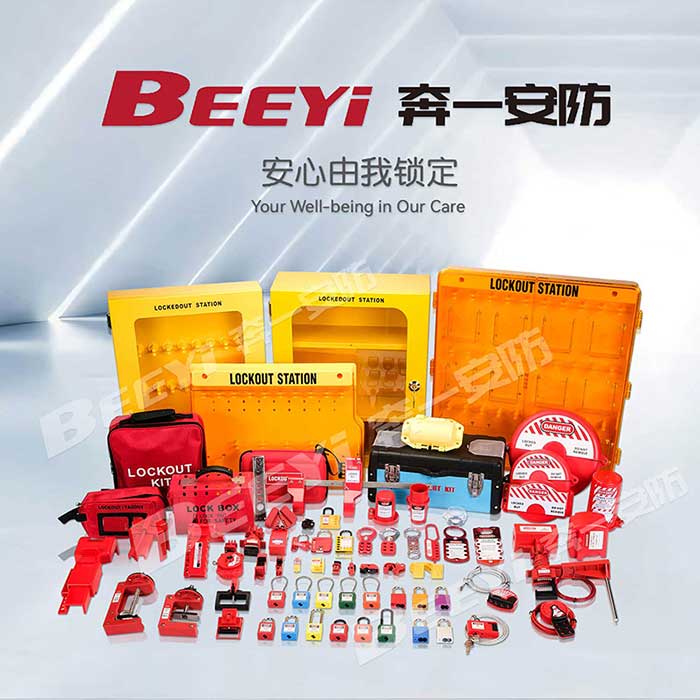
What are Pneumatic Lockouts?
Pneumatic lockouts are safety devices specifically designed to isolate energy sources in pneumatic systems. These systems operate using compressed air to power tools, machinery, and processes. A pneumatic lockout ensures that once a piece of equipment is taken offline for maintenance or repairs, it cannot be unintentionally activated. This isolation is critical for protecting maintenance personnel from the risks associated with the sudden release of stored energy.
How Do Pneumatic Lockouts Work?
The operation of a pneumatic lockout is straightforward yet effective. Typically, the device connects to the pneumatic system at a point before the air reaches the equipment. When maintenance is required, the operator engages the lockout, which effectively shuts off the air supply or reduces its pressure. The device can often be secured with a padlock to prevent accidental reactivation by unauthorized personnel. Many lockouts also feature warning labels to indicate that maintenance is in progress, further enhancing safety measures.