understanding lock tags: enhancing safety and security in workplaces
Release time:2026-01-05 06:34:43
In the ever-evolving landscape of workplace safety, lock tags have emerged as an essential tool aimed at protecting employees and maintaining operational integrity. Lock tags serve as a vital component of lockout/tagout (LOTO) procedures, an industry-standard practice designed to ensure that machinery and equipment are properly shut off or disabled during maintenance or repair. Understanding the significance and implementation of lock tags is crucial for organizations committed to fostering a safe work environment.
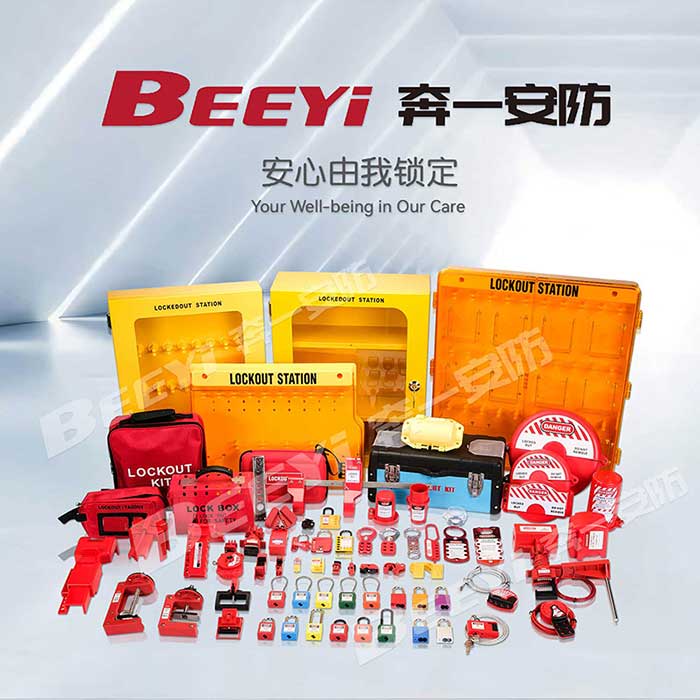
One of the primary functions of lock tags is to communicate the status of equipment to workers. When a piece of machinery is undergoing maintenance, it is common practice to place a lock tag on it. The lock tag contains critical information such as the name of the employee performing the maintenance, the date of the lockout, and any specific instructions related to the task at hand. This clear communication helps prevent accidental re-energization of machinery, which can pose severe risks to workers who may be unaware that maintenance is ongoing.
The legal implications surrounding lockout/tagout procedures cannot be overstated. Occupational Safety and Health Administration (OSHA) regulations require that all employers adhere to specific LOTO standards to protect their employees from hazardous energy sources. Failure to comply with these regulations not only jeopardizes employee safety but also exposes organizations to significant federal fines and penalties. By implementing comprehensive lockout/tagout procedures that include the use of lock tags, companies can mitigate risks and demonstrate their commitment to safety and compliance.