the importance of tagout in workplace safety
Release time:2026-01-05 16:07:37
Tagout, a crucial component of the Lockout/Tagout (LOTO) safety program, plays a vital role in preventing workplace accidents and injuries. In high-risk industries, such as manufacturing, construction, and energy production, machinery and equipment maintenance require a careful and systematic approach to safeguard workers. The Tagout procedure ensures that hazardous energy sources are properly controlled during maintenance activities, reducing the risk of accidents. This article explores the importance of Tagout in workplace safety, its proper implementation, and the benefits it offers.
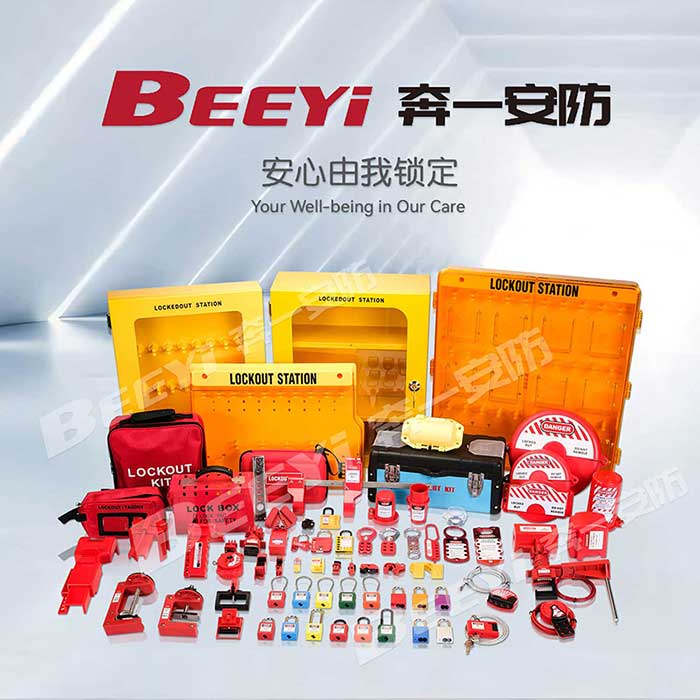
Understanding Tagout in the Context of Lockout/Tagout (LOTO)
The Lockout/Tagout program consists of two main components: Lockout and Tagout. Lockout involves the physical locking of energy-isolating devices to prevent the unintended release of hazardous energy, such as electrical, mechanical, hydraulic, or pneumatic energy. On the other hand, Tagout refers to placing a prominent tag on the equipment to warn workers that the equipment is being serviced or maintained and should not be operated.
While Lockout uses a physical device (usually a lock or seal), Tagout involves a clearly visible label or tag that serves as a visual alert. It provides important details, such as the identity of the person working on the equipment, the date, and the specific reason for the lockout. The Tagout procedure is often used when a physical lock cannot be applied, such as in cases where the energy-isolating device cannot be locked or is not designed for locking.