understanding safety valve lock: ensuring industrial safety and compliance
Release time:2026-01-06 04:48:02
In industrial settings, the management of pressure systems is crucial for maintaining safety standards and compliance with regulatory requirements. One of the essential devices in this regard is the safety valve, designed to prevent excessive pressure buildup in containers, pipelines, and appliances. However, while safety valves are critical for protecting equipment and personnel, they also pose risks if not properly managed. This is where the Safety Valve Lock comes into play—a device specially designed to prevent unintended operations of safety valves. This article explores the significance of Safety Valve Locks, their applications, and the best practices for their implementation.
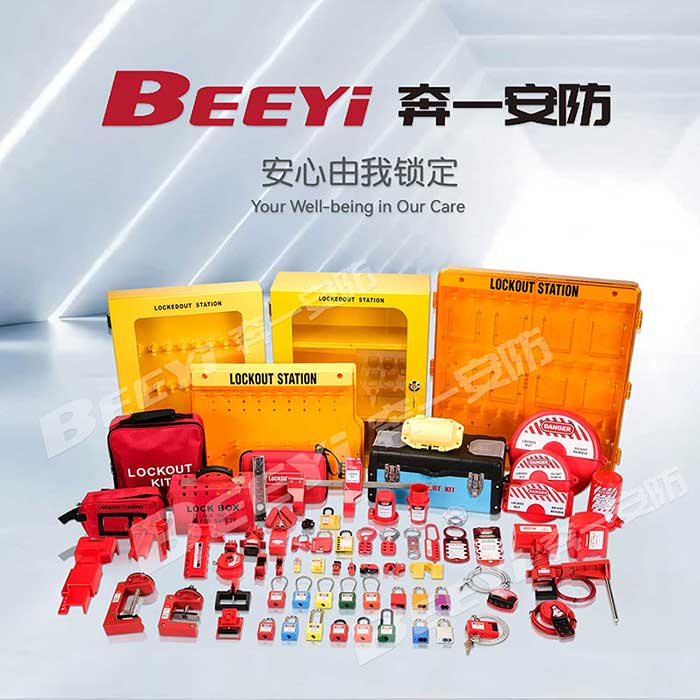
The Importance of Safety Valve Locks
Safety valves are engineered to release pressure when it exceeds a predetermined level, thereby preventing potential hazards such as explosions or equipment failures. However, during maintenance, inspection, or other operational processes, unauthorized or accidental openings of these valves can lead to catastrophic consequences. Herein lies the importance of the Safety Valve Lock.
Safety Valve Locks serve as an additional layer of protection by physically securing the valve in a closed position. This mechanism ensures that only authorized personnel can operate the valve, which reduces the risk of unintended pressure release and enhances overall system safety. Moreover, accidental openings of safety valves can disrupt processes, lead to costly downtimes, and pose serious risks to human life and the environment.