pneumatic lockouts application: ensuring safety in pneumatic systems
Release time:2026-01-07 03:12:00
In industrial environments where compressed air systems are extensively used, safety becomes a primary concern. Pneumatic systems, which power tools, machinery, and automation processes, are often the backbone of manufacturing operations. However, they can also pose significant risks to workers if not properly managed. This is where pneumatic lockouts come into play. These devices are crucial for ensuring the safety of personnel by preventing the accidental release of pressurized air during maintenance or repair activities. This article will explore the importance, applications, and benefits of pneumatic lockouts in industrial settings.
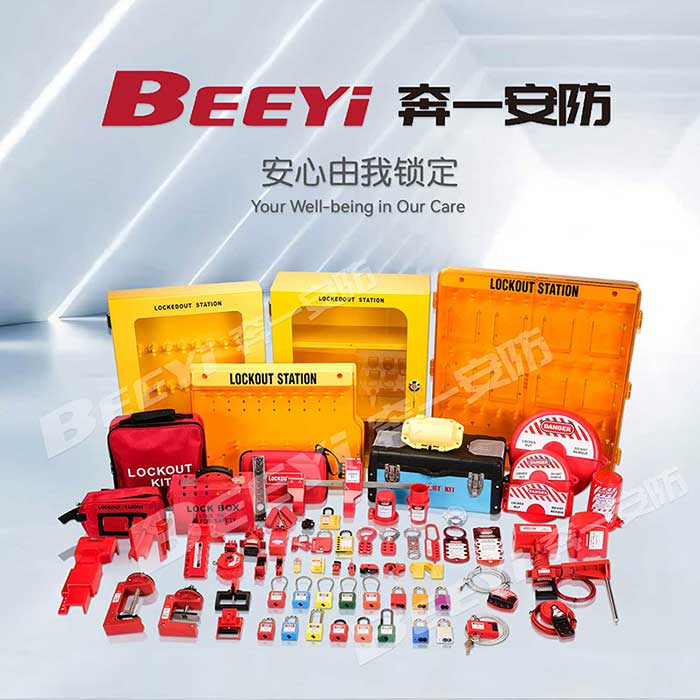
Understanding Pneumatic Lockouts
Pneumatic lockouts are mechanical safety devices designed to prevent the accidental activation or release of compressed air in a pneumatic system. They are typically used in environments where machinery and equipment rely on compressed air as a source of power. By isolating the air source, pneumatic lockouts ensure that maintenance personnel can work on systems without the risk of sudden, unexpected pressure surges that could lead to injuries or equipment damage.
These devices are especially critical in high-risk environments like manufacturing plants, construction sites, chemical processing facilities, and power plants. Pneumatic lockouts come in various shapes and sizes, depending on the type of valve or control mechanism they are designed to secure. Some of the most common types include valve lockouts, lever lockouts, and pneumatic valve blockouts.