pneumatic lockouts installation guide: ensuring safety in pneumatic systems
Release time:2026-01-08 15:50:08
Pneumatic systems are widely used across various industrial sectors due to their efficiency and reliability in powering machinery and equipment. However, when performing maintenance or repair work on these systems, safety is paramount. Pneumatic lockouts play a crucial role in protecting workers from the accidental release of compressed air, which could cause injury or damage. This guide provides step-by-step instructions on the proper installation of pneumatic lockouts to ensure compliance with safety standards and prevent mishaps during maintenance procedures.
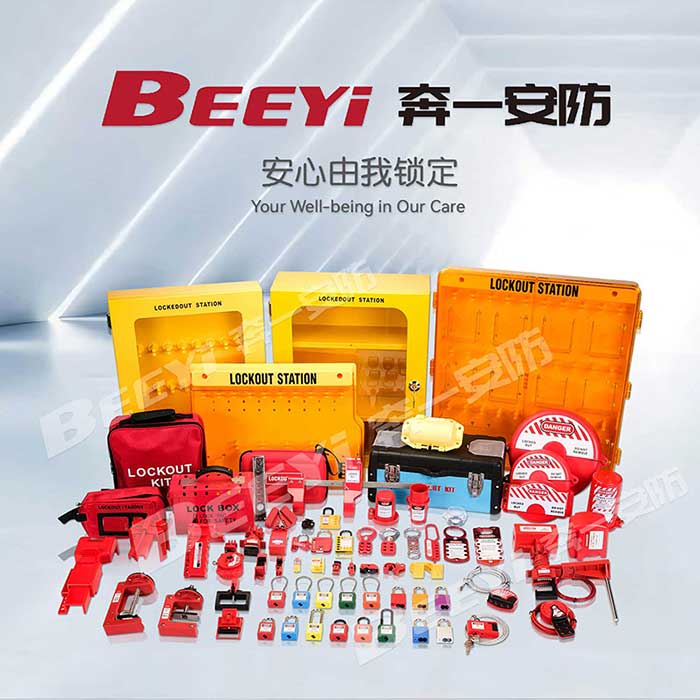
1. Understanding Pneumatic Lockouts
A pneumatic lockout is a safety device designed to isolate and control pneumatic energy within a compressed air system. These devices prevent the unintended release of air pressure, ensuring that workers are not exposed to hazardous situations while performing maintenance or repairs. Pneumatic lockouts are an essential component of any Lockout/Tagout (LOTO) program, which is designed to protect workers from the risks associated with the release of hazardous energy.
2. Preparation: Gathering Tools and Identifying Components
Before installing a pneumatic lockout, it is important to gather all necessary tools and identify the components of the pneumatic system that will be locked out. Typically, the lockout will be installed on a valve or air supply line. Make sure you have the appropriate lockout device that matches the type and size of the valve or fitting in your system. Pneumatic lockouts come in various types, including manual valve lockouts, universal lockouts, and plug lockouts.