safety padlock application: ensuring workplace safety through lockout/tagout practices
Release time:2026-01-08 19:18:55
In industrial and commercial environments, workplace safety is paramount. One of the most effective tools used to ensure the safety of workers during maintenance and repair operations is the Safety Padlock. This simple yet essential device plays a crucial role in the Lockout/Tagout (LOTO) process, which aims to prevent accidents by ensuring that machines and equipment are properly shut off and cannot be accidentally turned on while workers are engaged in potentially hazardous tasks. The Safety Padlock application has grown in importance as industries strive to reduce accidents, injuries, and fatalities in the workplace.
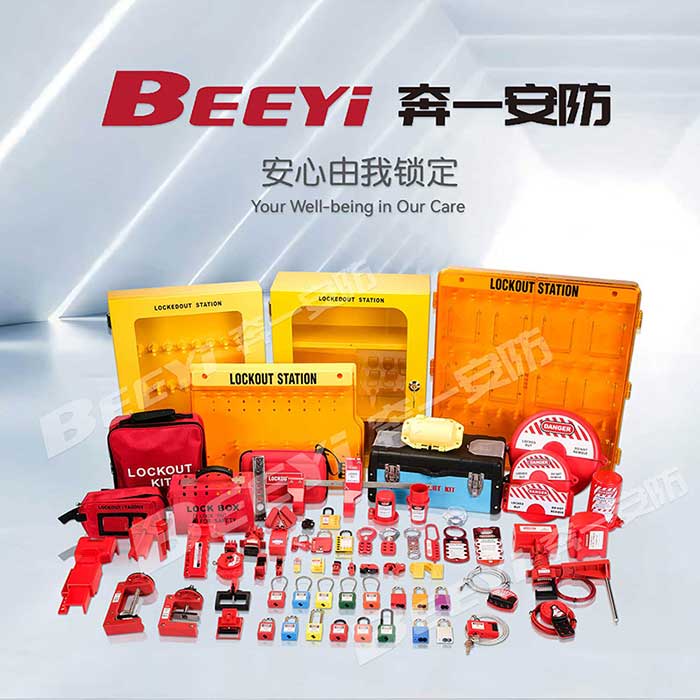
The Role of Safety Padlocks in Lockout/Tagout Procedures
A Safety Padlock is a physical locking device used in conjunction with a Lockout/Tagout procedure. This procedure is a safety protocol designed to protect workers from unexpected equipment startup during maintenance or repair work. In the LOTO process, the equipment or machinery is de-energized, and a padlock is applied to the energy-isolating devices. This prevents unauthorized individuals from removing the lock and accidentally energizing the equipment while workers are still in the process of servicing it.
The application of Safety Padlocks in this context is critical for ensuring that no one can accidentally or deliberately operate machinery during maintenance work. The locks are often accompanied by tags that carry critical information, such as the identity of the worker who applied the lock, the reason for the lockout, and the duration of the lockout. This provides transparency and ensures that everyone in the vicinity is aware of the ongoing work.