valve lockout tagout: a crucial safety measure in industrial environments
Release time:2026-01-10 00:20:28
Valve Lockout Tagout (LOTO) is a critical safety protocol designed to prevent accidents and injuries in industrial environments during maintenance or repair work. The purpose of LOTO procedures is to ensure that machinery, equipment, or systems remain safely de-energized while work is being conducted. In particular, Valve Lockout Tagout is a specialized form of this protocol that focuses on controlling the flow of energy through valves—devices that manage fluids, gases, and other vital substances in industrial systems. This article will explore the importance of Valve Lockout Tagout, its key components, and how it ensures worker safety.
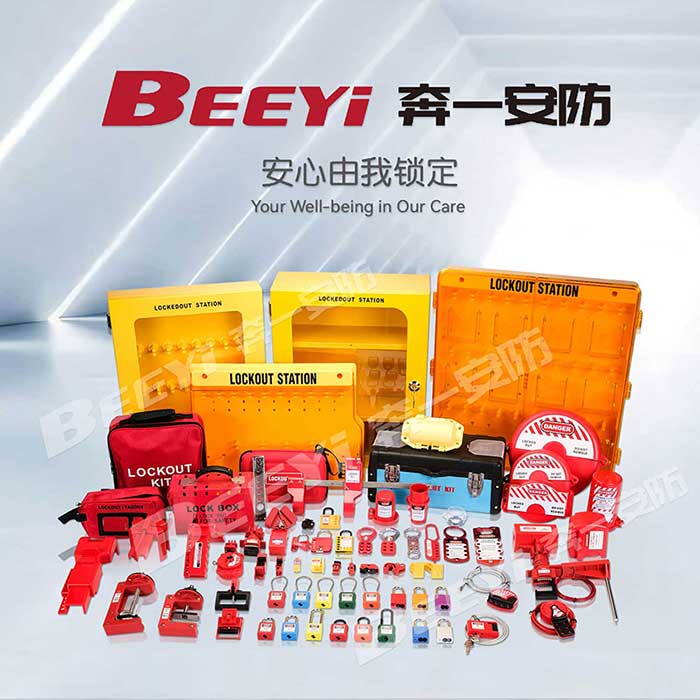
Understanding Valve Lockout Tagout
Valve Lockout Tagout refers to the practice of locking and tagging valves to prevent their inadvertent operation during maintenance activities. Valves are often used to control the flow of hazardous materials or energy sources, such as gas, liquid, or electricity, in large industrial systems. If these valves are not properly controlled or de-energized during repairs or maintenance, the consequences can be disastrous—ranging from equipment damage to catastrophic accidents involving leaks, fires, or explosions.
The LOTO procedure ensures that when maintenance workers are interacting with hazardous machinery, all energy sources, including those controlled by valves, are isolated, locked, and tagged to indicate that they are under maintenance. The process involves two primary steps: lockout (physically locking valves and energy isolation points) and tagout (applying identification tags to indicate that the system is not to be operated until repairs are complete).