understanding lockout safety: essential practices for employee protection
Release time:2026-01-14 17:24:52
Lockout safety is an essential aspect of workplace safety in various industries, particularly in manufacturing, construction, and maintenance sectors. The Lockout/Tagout (LOTO) procedures aim to protect employees from unexpected machine start-up, equipment malfunction, or the release of stored energy while they are performing maintenance or repair tasks. Effective implementation of lockout safety practices is crucial to ensuring the well-being of workers and preventing accidents. This article aims to provide an overview of lockout safety, its importance, and the steps involved in establishing an effective LOTO program.
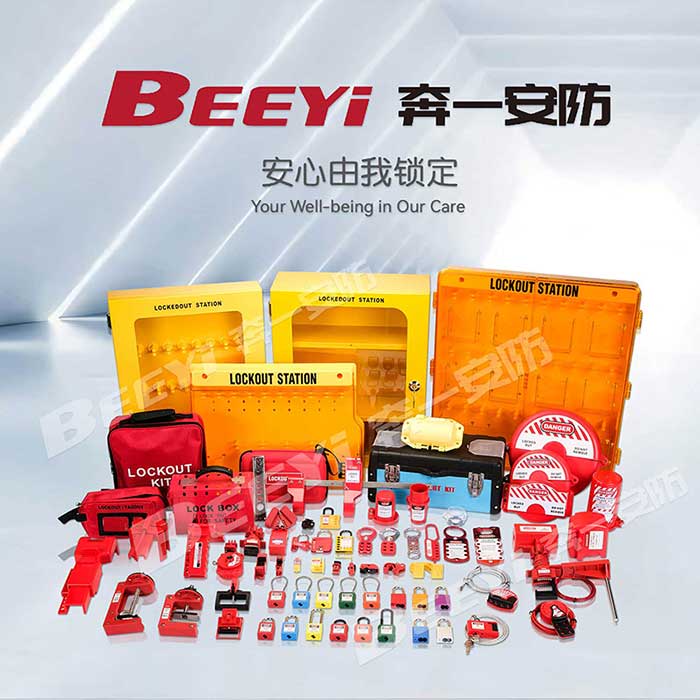
Why Lockout Safety is Important
Accidents caused by the unintended operation of machinery can lead to serious injuries or even fatalities. According to the Occupational Safety and Health Administration (OSHA), improper implementation of LOTO procedures is among the leading causes of workplace injuries in industrial settings. Lockout safety procedures are designed to prevent these incidents by ensuring that equipment is properly shut down and made inoperable while maintenance activities are conducted. By adhering to lockout safety practices, employers not only protect their employees but also minimize risks related to workplace liabilities.