the importance of valve lockout devices in industrial safety
Release time:2026-01-15 02:19:50
In industries such as oil and gas, chemical manufacturing, and energy production, the safety of personnel is paramount. An essential component of ensuring safety during maintenance and servicing operations is the use of valve lockout devices. These specialized tools help prevent the accidental activation or operation of valves while maintenance is being performed, significantly reducing the risk of injury or fatal accidents. This article provides an overview of valve lockout devices, their functionality, types, and the importance of implementing them in industrial environments.
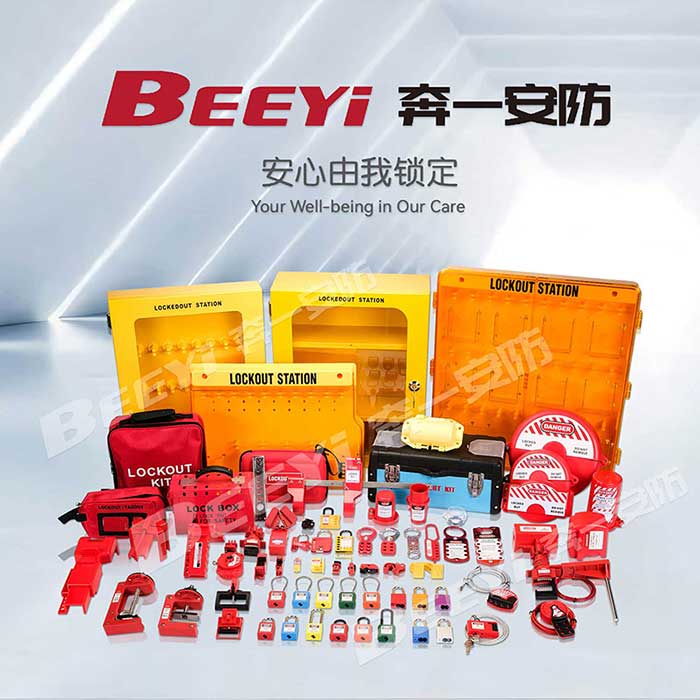
A valve lockout device is designed to secure a valve in either the open or closed position, preventing unauthorized or unintentional operations. These devices are integral to the lockout/tagout (LOTO) procedures, which are safety processes used to ensure that machinery is properly shut down and cannot be restarted until maintenance is completed. The primary goal of a valve lockout device is to protect workers by eliminating the risk of unexpected releases of hazardous materials or sudden pressure changes that could cause serious harm.
Functionality of Valve Lockout Devices
The effective operation of valve lockout devices is rooted in their ability to provide a physical barrier to the valve's operation. When a valve is secured with a lockout device, it cannot be manipulated, thereby ensuring that it remains in a set position throughout the maintenance process. Typically, these devices allow for the attachment of a lock, ensuring that only authorized personnel can remove the lockout device once the maintenance is complete.