electrical equipment lockouts factory: ensuring safety in industrial electrical maintenance
Release time:2026-01-16 17:18:59
In industrial settings, the importance of safety cannot be overstated. Electrical maintenance work is among the most hazardous activities, with risks ranging from electrical shocks to fatal accidents. To mitigate these dangers, the use of Electrical Equipment Lockouts is crucial. These lockout devices ensure that electrical systems are safely isolated during maintenance or repair, preventing accidental or unauthorized energization. An Electrical Equipment Lockouts factory plays a pivotal role in manufacturing and providing these safety devices, contributing significantly to the safety culture in industrial environments.
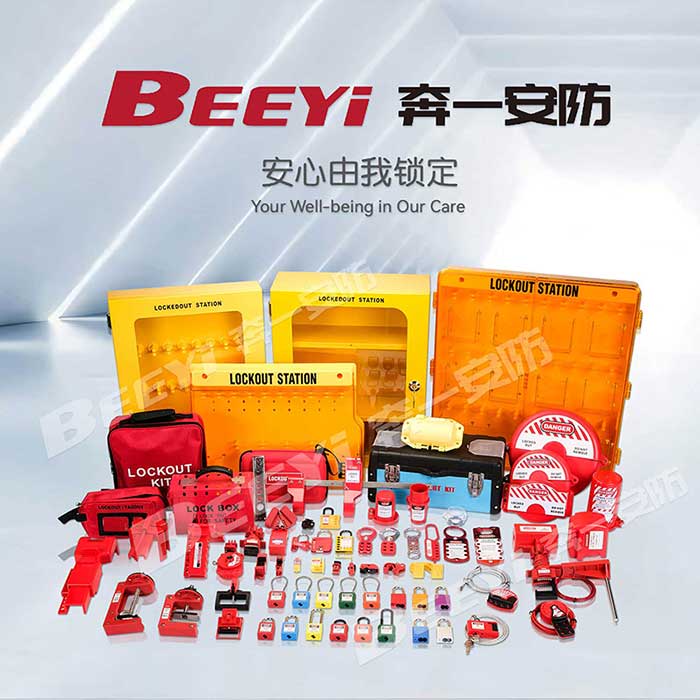
The Role of Electrical Equipment Lockouts in Industrial Safety
Lockout devices are designed to prevent the unintended release of hazardous energy during maintenance work. In the case of electrical systems, this typically involves the isolation of power sources such as circuits, panels, and transformers. Electrical equipment lockouts include a variety of mechanisms such as padlocks, hasps, circuit breaker lockouts, plug lockouts, and valve lockouts, each serving a specific purpose based on the type of electrical equipment being worked on.
The lockouts work by physically isolating the energy source from the rest of the system, ensuring that no power is flowing while workers are performing their tasks. In the event that equipment needs to be serviced, workers can place a lock on the energy isolation point (such as a circuit breaker or disconnect switch) to ensure no one else can inadvertently reactivate the equipment. This process is part of the broader Lockout/Tagout (LOTO) safety program, which is a requirement in many countries, including the U.S. under OSHA (Occupational Safety and Health Administration) regulations.