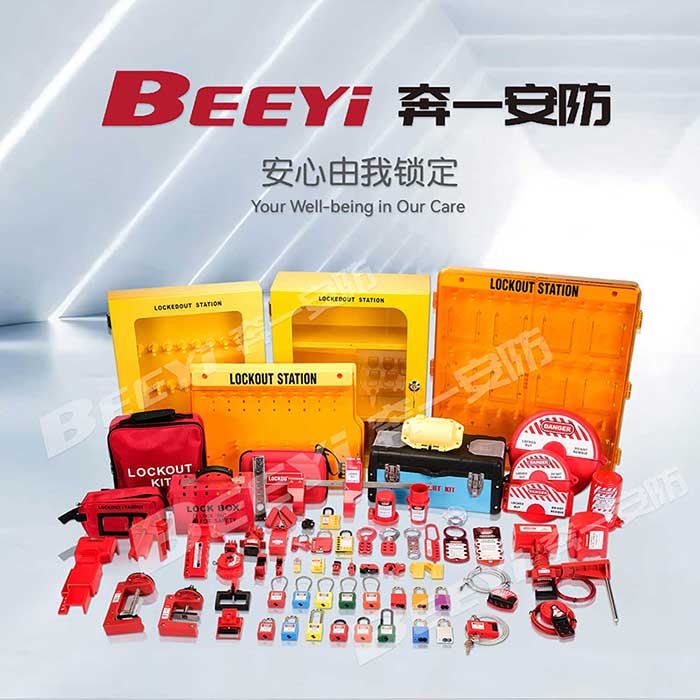

Lockout procedures are crucial in ensuring safety in industrial environments where machines and equipment can pose significant risks to workers. These procedures are part of a broader set of practices known as Lockout/Tagout (LOTO), which are designed to prevent the accidental release of hazardous energy during the maintenance and repair of machinery. Lockout refers to the physical locking of energy sources, such as electrical circuits, machinery, or gas valves, to prevent them from being accidentally turned on or re-energized while maintenance is being conducted. These practices are legally mandated in many countries, including the United States, where they are enforced by the Occupational Safety and Health Administration (OSHA).