the importance of lock out equipment in workplace safety
Release time:2026-01-19 12:47:57
Lock out equipment is an essential component of workplace safety protocols designed to prevent accidental machine start-ups or the release of hazardous energy during maintenance and repair operations. The concept falls under the broader Lockout/Tagout (LOTO) standard, which is fundamental in ensuring the protection of workers in various industries. Understanding the significance, procedures, and types of lock out equipment can help organizations create a safe working environment and minimize accidents.
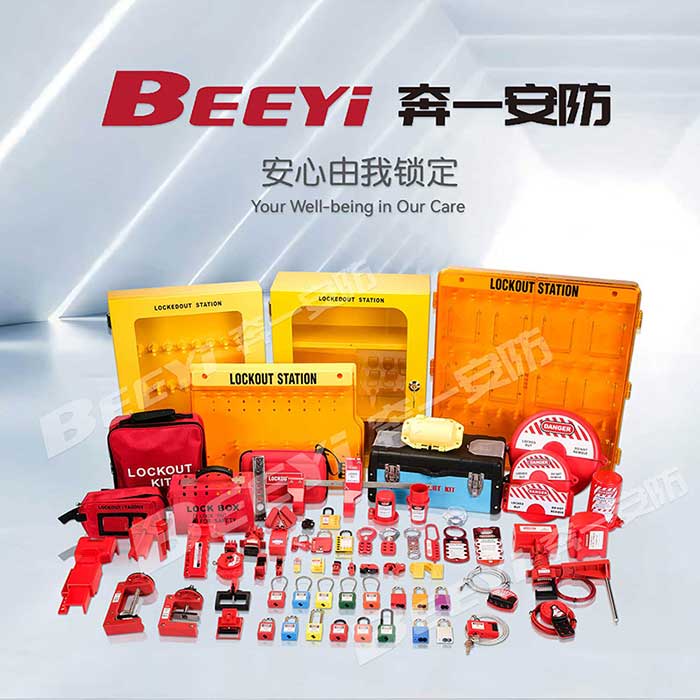
Understanding Lock Out Equipment
Lock out equipment serves a critical purpose: to isolate energy sources from machinery during servicing. This isolation process is paramount because repairs or maintenance are often performed on energized equipment, leading to increased risks of injury or fatalities if not handled correctly. Lock out equipment includes physical devices such as padlocks, hasps, and lockout tags that communicate the status of the equipment effectively.
The significance of using lock out equipment cannot be overstated. According to the Occupational Safety and Health Administration (OSHA), the enforcement of LOTO procedures has been a cornerstone in reducing workplace injuries related to machinery. Every year, thousands of workers face injuries that could have been prevented through proper lock out practices. By implementing lock out equipment, organizations can effectively manage the risks associated with equipment maintenance.