understanding lockout safety: protecting workers in hazardous environments
Release time:2026-01-19 18:03:13
Lockout safety, more formally known as Lockout/Tagout (LOTO), is a critical safety practice employed in various industries to protect workers from the unexpected energization or start-up of machinery and equipment during maintenance and servicing activities. As industrial workplaces operate with a myriad of powerful and potentially dangerous machines, the implementation of LOTO procedures is essential for ensuring the safety and well-being of employees. This article explores the fundamental principles of lockout safety, the step-by-step lockout process, and the importance of compliance and training.
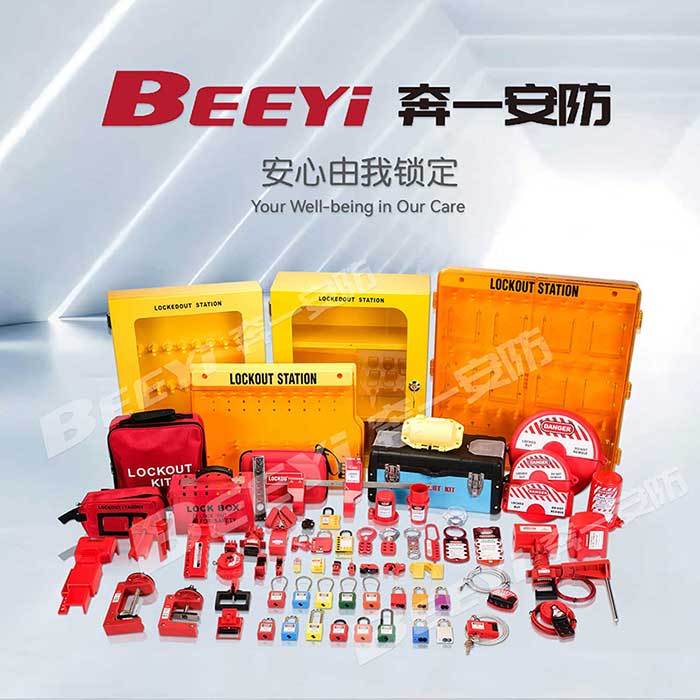
At the core of lockout safety lies the concept of controlling hazardous energy. Machinery can be powered by various sources of energy, including electrical, hydraulic, mechanical, chemical, and thermal. When maintenance workers engage with these machines, there is a risk that they might inadvertently energize the equipment, resulting in serious injury or even death. Lockout safety aims to eliminate this risk by ensuring that machinery is properly shut down and isolated from its energy sources before any maintenance work begins.
The Lockout/Tagout process typically involves several key steps. Firstly, workers must prepare for the maintenance task by identifying the equipment that needs to be serviced and understanding the sources of potential energy. This step is crucial for determining the specific lockout procedures that will be required.