

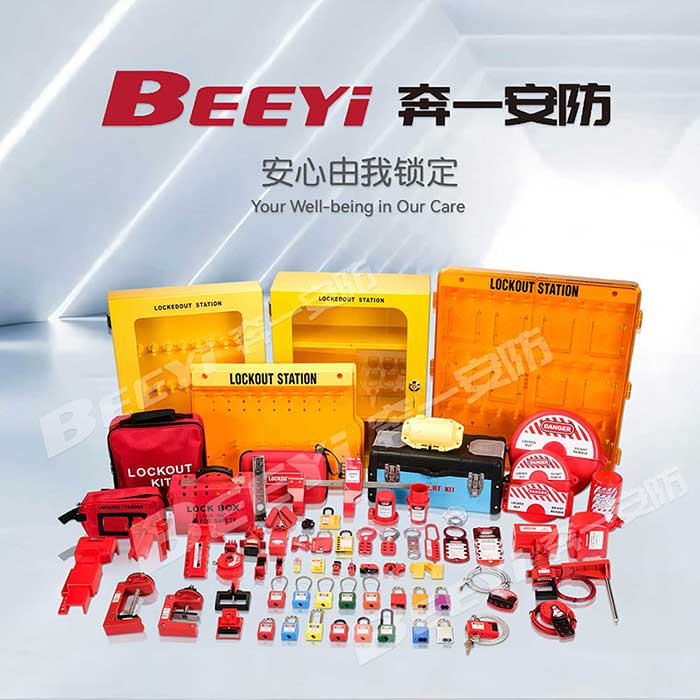
Understanding the Importance of Lockout Safety
Industrial machinery, electrical systems, an other complex equipment can contain significant sources of energy, such as electrical power, hydraulic pressure, steam, or compressed air. These energy sources remain potentially dangerous even after machines are turned off. Workers performing maintenance tasks, such as repair or inspection, can be exposed to the risk of accidental machine startups or the unexpected release of energy, leading to electrical shock, crushing, or even fatal accidents.
The primary goal of lockout safety is to esure that all potentially hazardous energy sources are completely isolated from the equipment during servicing. By physically locking out equipment and tagging it with a warning, workers can carry out their tasks with confidence, knowing that the equipment cannot be inadvertently turned on.nd Lockout safety, or Lockout/Tagout (LOTO), is an essential safety protocol used to protect workers from hazardous energy sources during the maintenance or servicing of machines and equipment. This system is crucial for preventing accidental machine startups or the release of stored energy, which can lead to severe injuries or fatalities. Industries that use heavy machinery, complex systems, or high-powered equipment must integrate lockout safety procedures into their daily operations. This article will explore the importance of lockout safety, its key components, and the steps necessary to implement a successful lockout/tagout program.