lockout hasps application: ensuring safety in industrial maintenance
Release time:2026-01-21 19:03:49
In industrial settings, safety is paramount, especially when it comes to maintaining and servicing equipment. One of the key safety procedures that prevent accidents and injuries during maintenance is the Lockout/Tagout (LOTO) process. Among the essential tools used in LOTO procedures, Lockout Hasps play a crucial role in ensuring that machinery and equipment remain safely de-energized while workers perform their tasks. In this article, we will explore the Lockout Hasps application, its importance, and its impact on industrial safety.
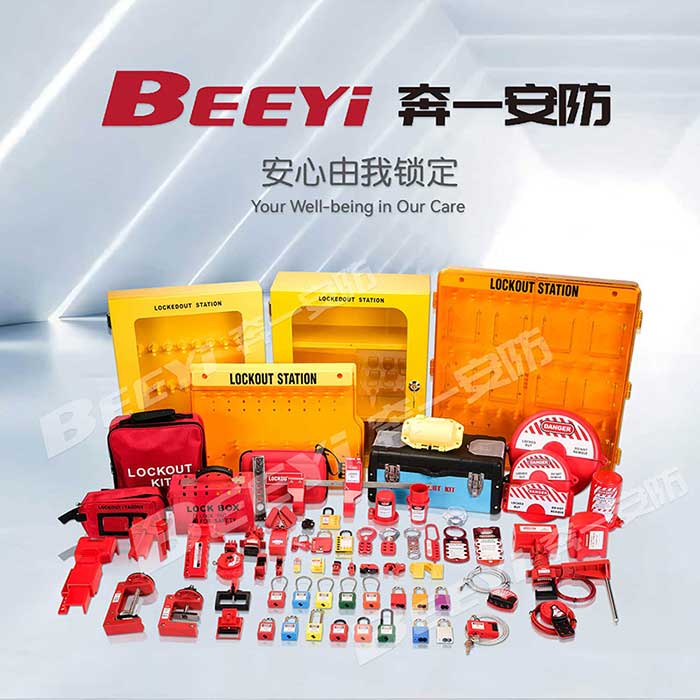
What are Lockout Hasps?
Lockout hasps are safety devices that are used as part of the lockout/tagout procedure to ensure that equipment and machinery are not inadvertently re-energized or operated during maintenance. A lockout hasp is typically a metal or plastic device with multiple holes designed to accommodate locks. When attached to an energy-isolating device, such as a valve or a switch, the lockout hasp prevents anyone from accessing or operating the equipment until all the locks have been removed by authorized personnel.
The primary function of a lockout hasp is to allow multiple workers to apply their personal locks to the same energy-isolating device. This ensures that no one can remove the hasp or re-energize the equipment until all involved personnel have safely completed their work and removed their individual locks.