understanding lockout hasps: essential safety tools for workplace protection
Release time:2026-01-21 22:06:11
Lockout Hasps are critical safety devices used in workplaces to protect employees from accidental machine start-ups or operation during maintenance or repair work. They play a significant role in the lockout/tagout (LOTO) procedure, an essential part of workplace safety protocols, particularly in industrial settings, construction sites, and any environment where heavy machinery or electrical systems are present.
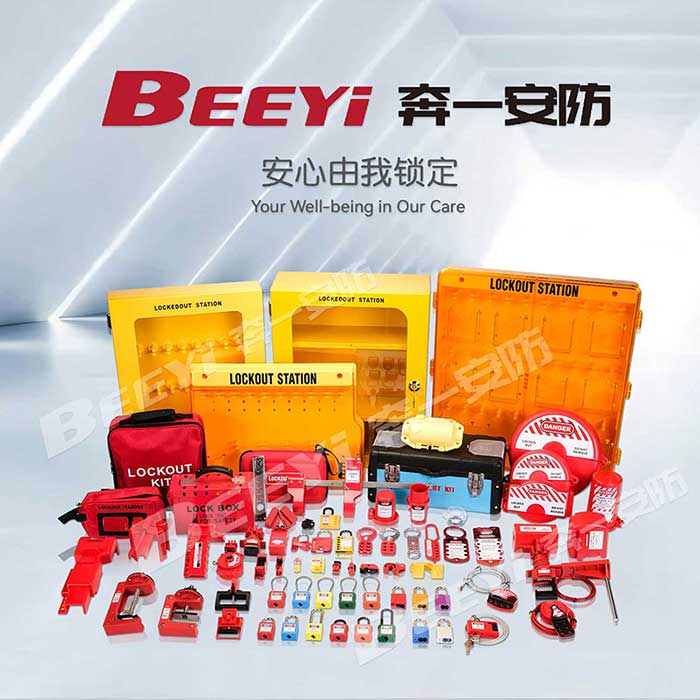
The primary function of Lockout Hasps is straightforward yet invaluable: they prevent machinery from being inadvertently activated while repairs or maintenance are being performed. By using these devices, organizations not only enhance worker safety but also comply with regulatory requirements designed to protect employees from potential hazards.
Components and Structure
Lockout Hasps typically consist of a durable material, such as metal or robust plastic, ensuring resistance to wear and tear. They are designed with multiple locking holes, allowing several padlocks to be affixed to a single hasp. This feature is particularly crucial because it enables multiple workers to simultaneously lock out a piece of equipment, thus reinforcing the safety of everyone involved in maintenance activities.